
Shane
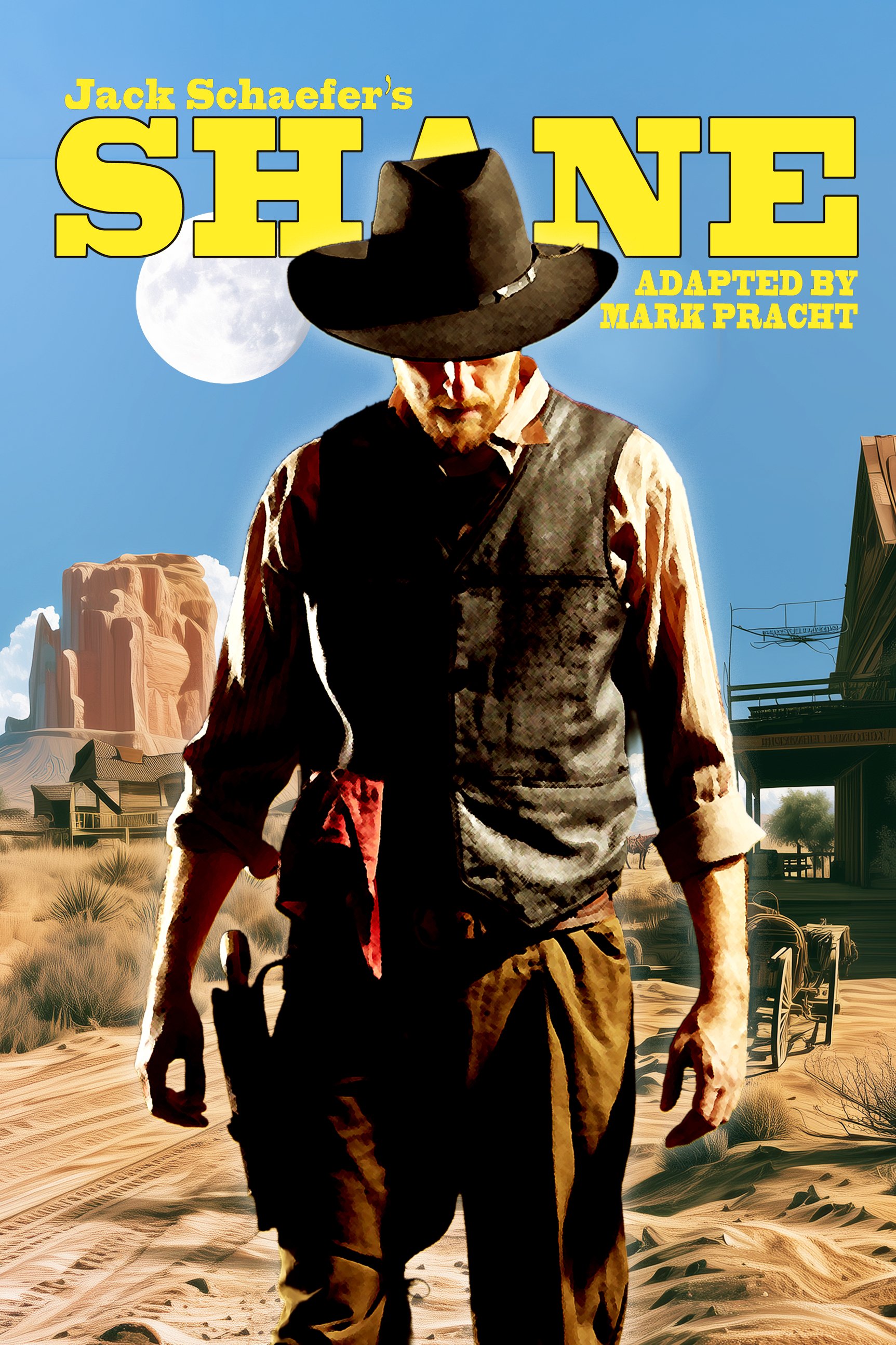
main photo by Steven Townshend, Distant Era, design James Sparling, Lexographic
^^CLICK ON IMAGE TO DOWNLOAD PROGRAM FOR THE SHOW
World Premiere Adaptation of the classic Western
by Jack Schaefer
Adapted and directed by Artistic Associate Mark Pracht
August 21 – October 4, 2026
Runtime: 95 mins (including intermission)
“Michael B. Woods is outstanding Reader recommended”
“**** Shane, captivatingly played by Michael B Woods”
“Woods gives one of the best performances I’ve seen on a Chicago stage this year-phenomenal performance.”
“a compelling story.... strong performances...a sincere exploration of positive masculinity”
““A Classic Western With A Fresh Perspective... Shane has all the hallmarks of a classic Western.”
Shane, a mysterious stranger, shows up at the Starrett homestead in the Wyoming Territory in 1889. Though he seems to be hiding a dangerous past, he’s offered a job as a farm hand and settles in with the Starretts: Joe, his wife Marian, and his son Bob, our narrator. When Joe refuses to sell his land to open range rancher Fletcher, it sets up a deadly showdown that alters the fates of everyone involved.
World Premiere
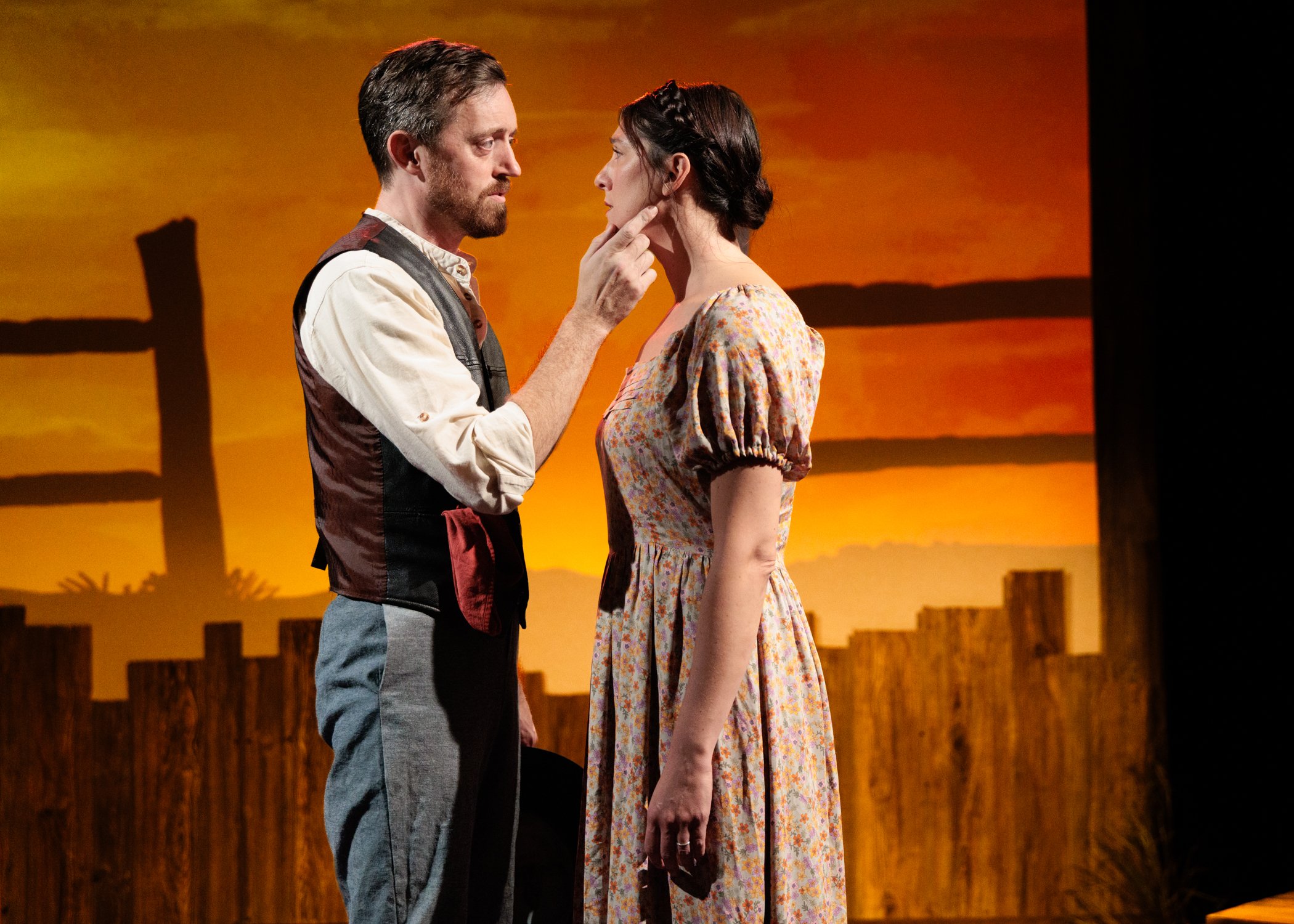
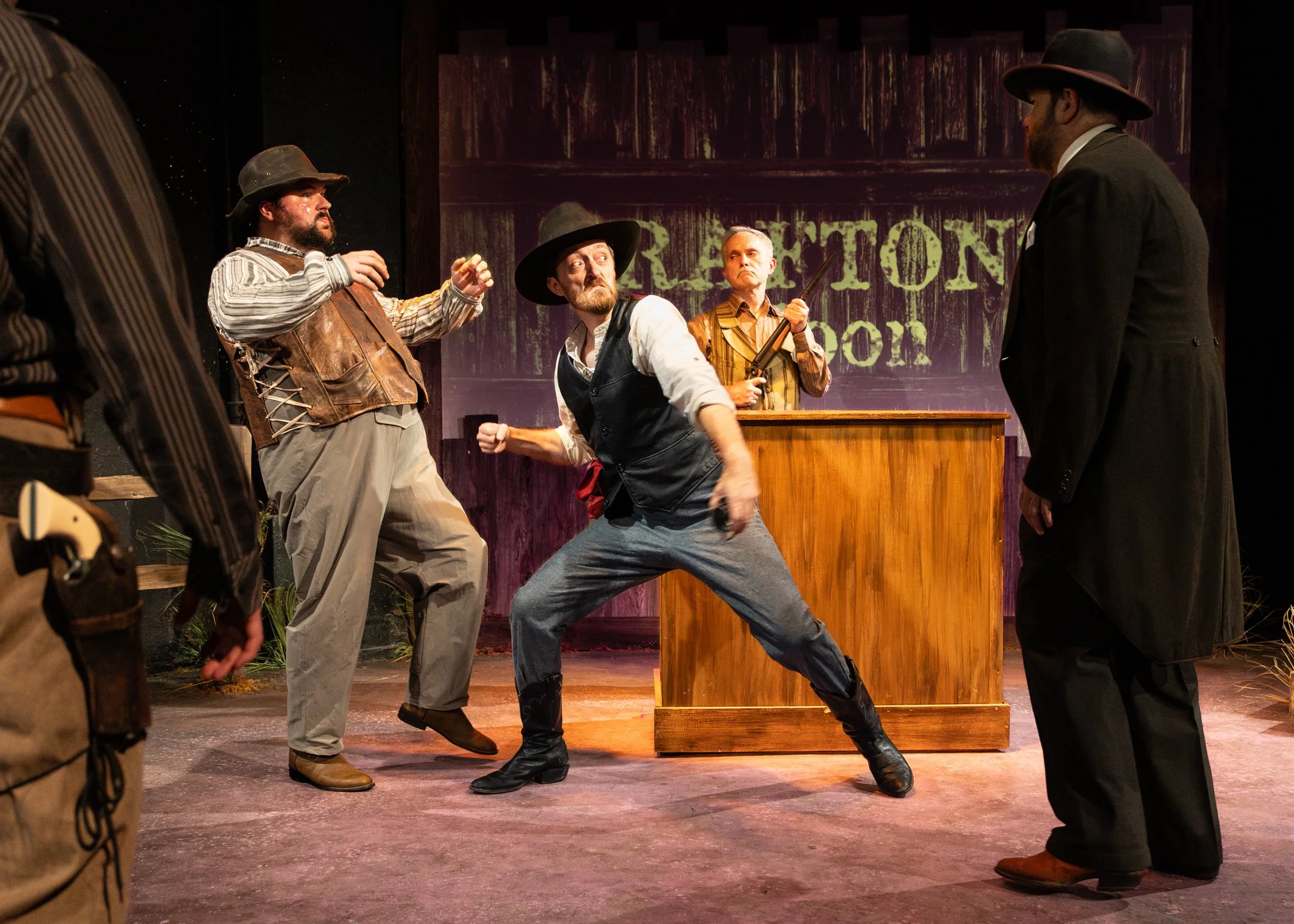
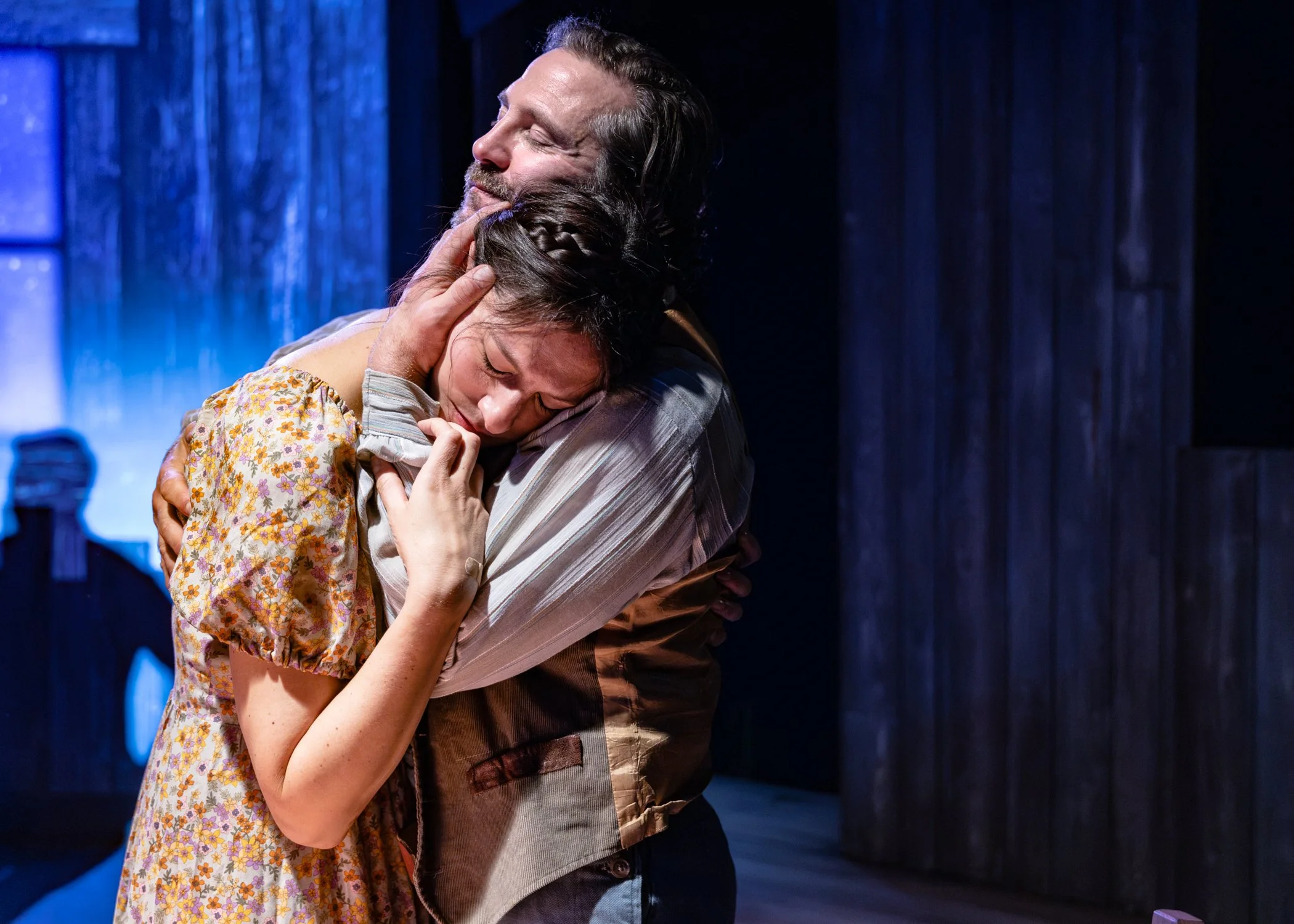
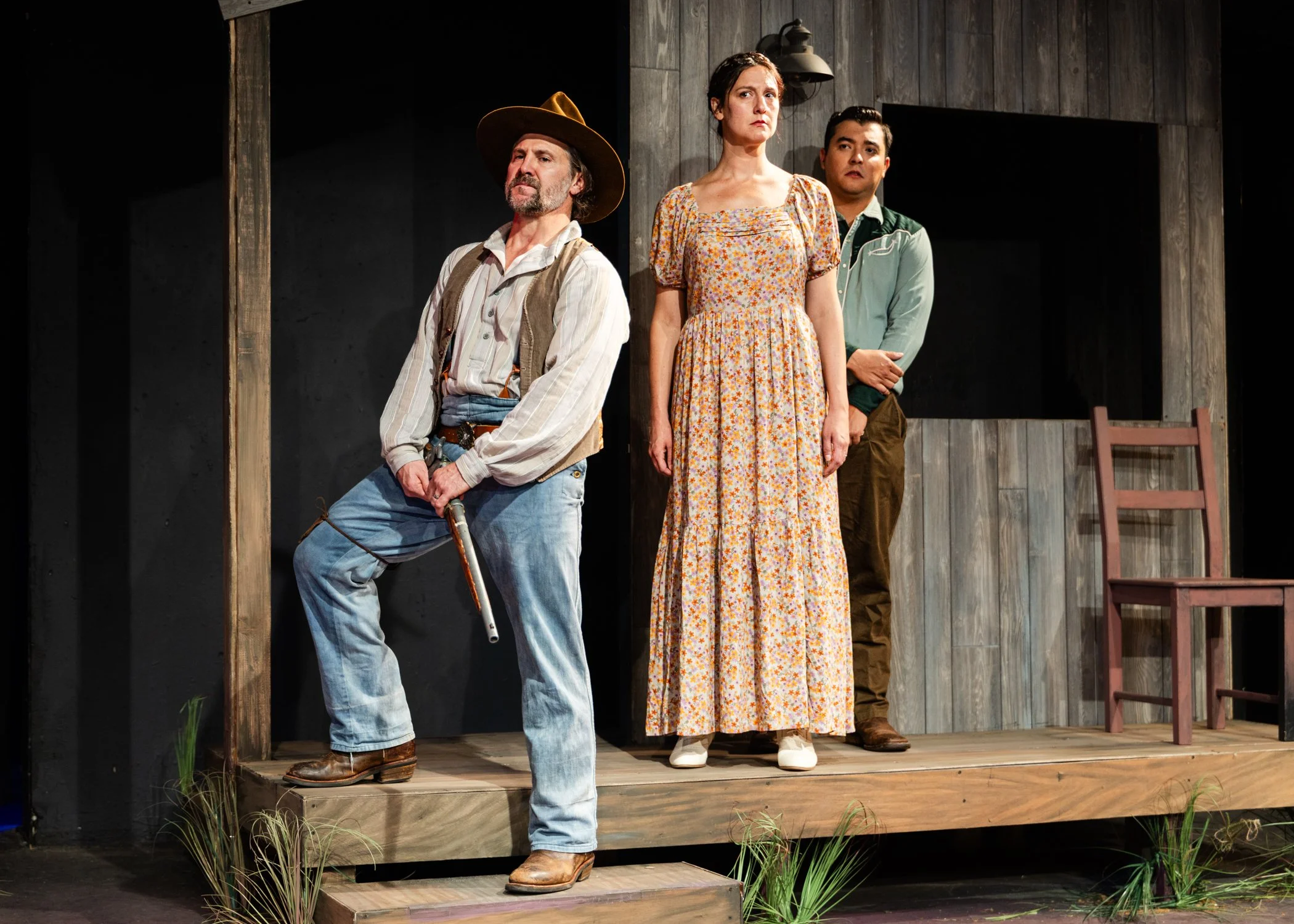
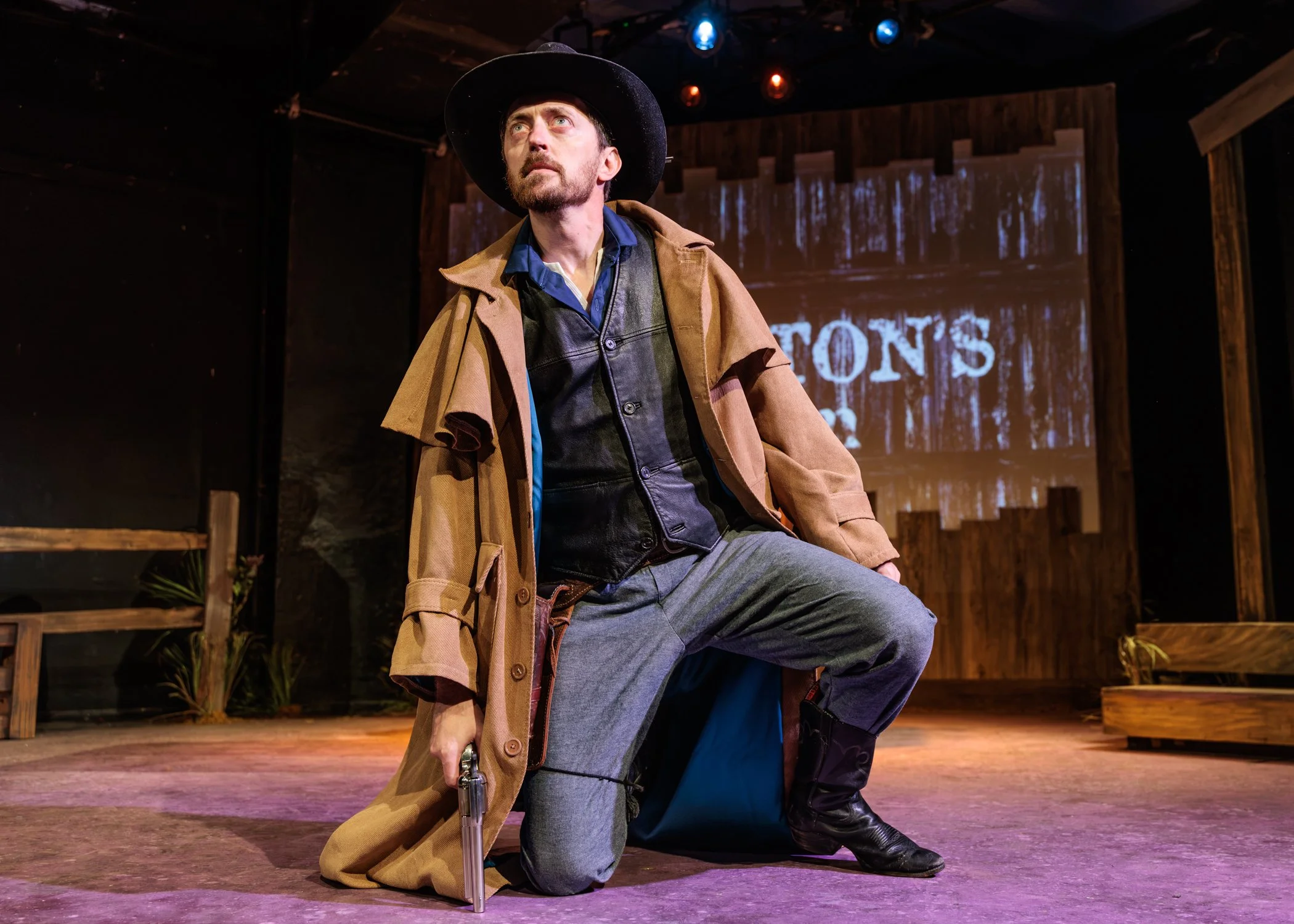
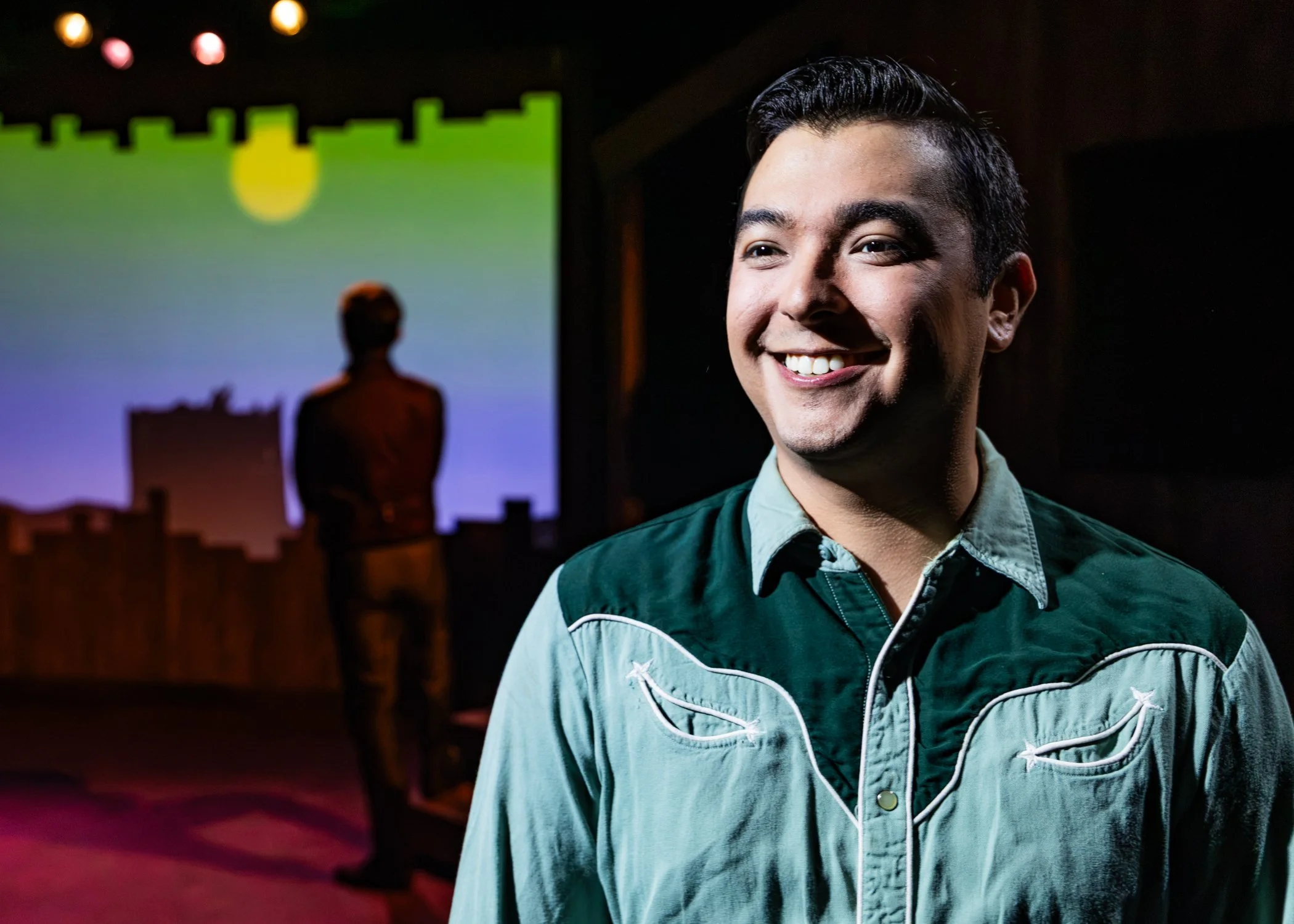
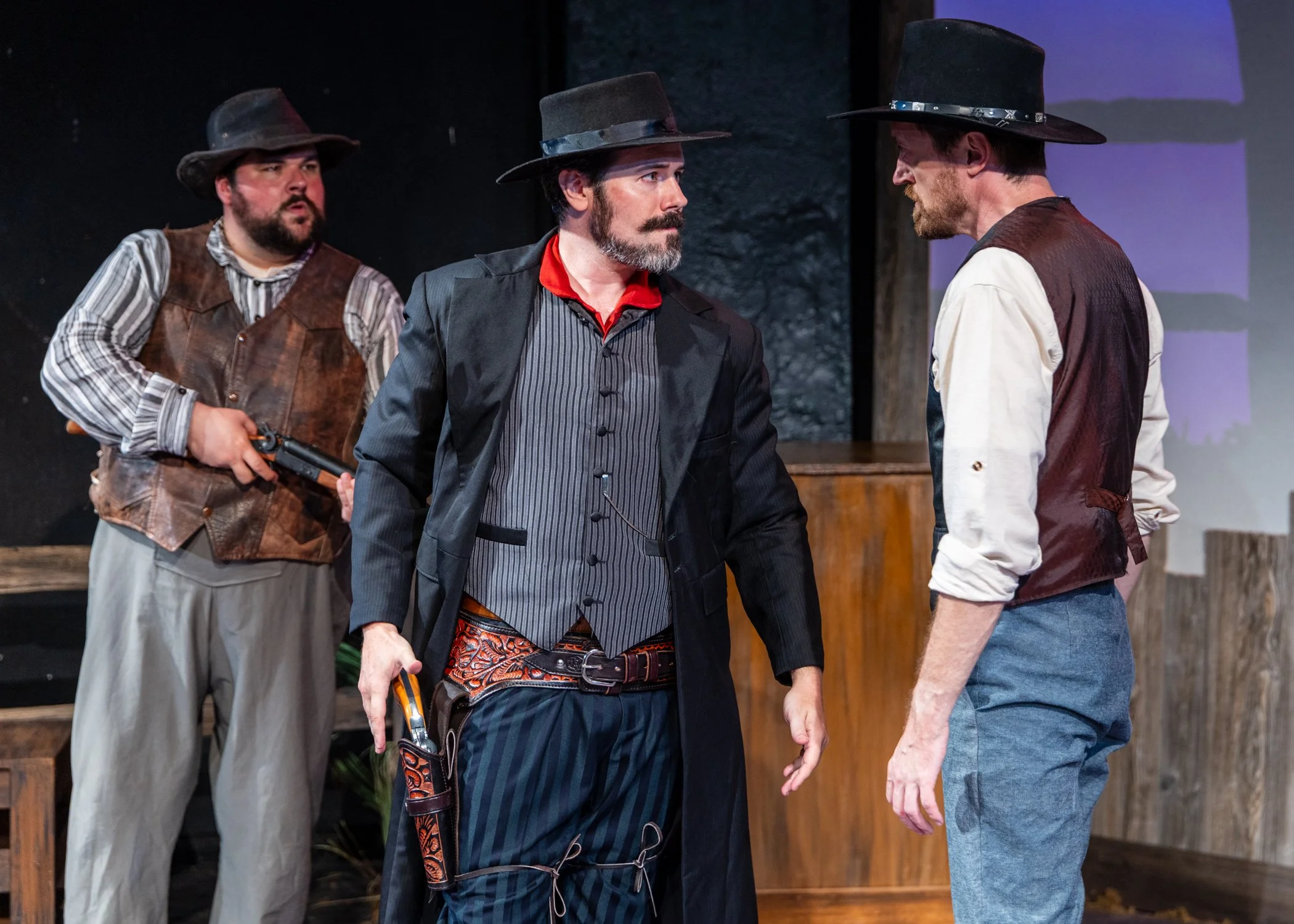
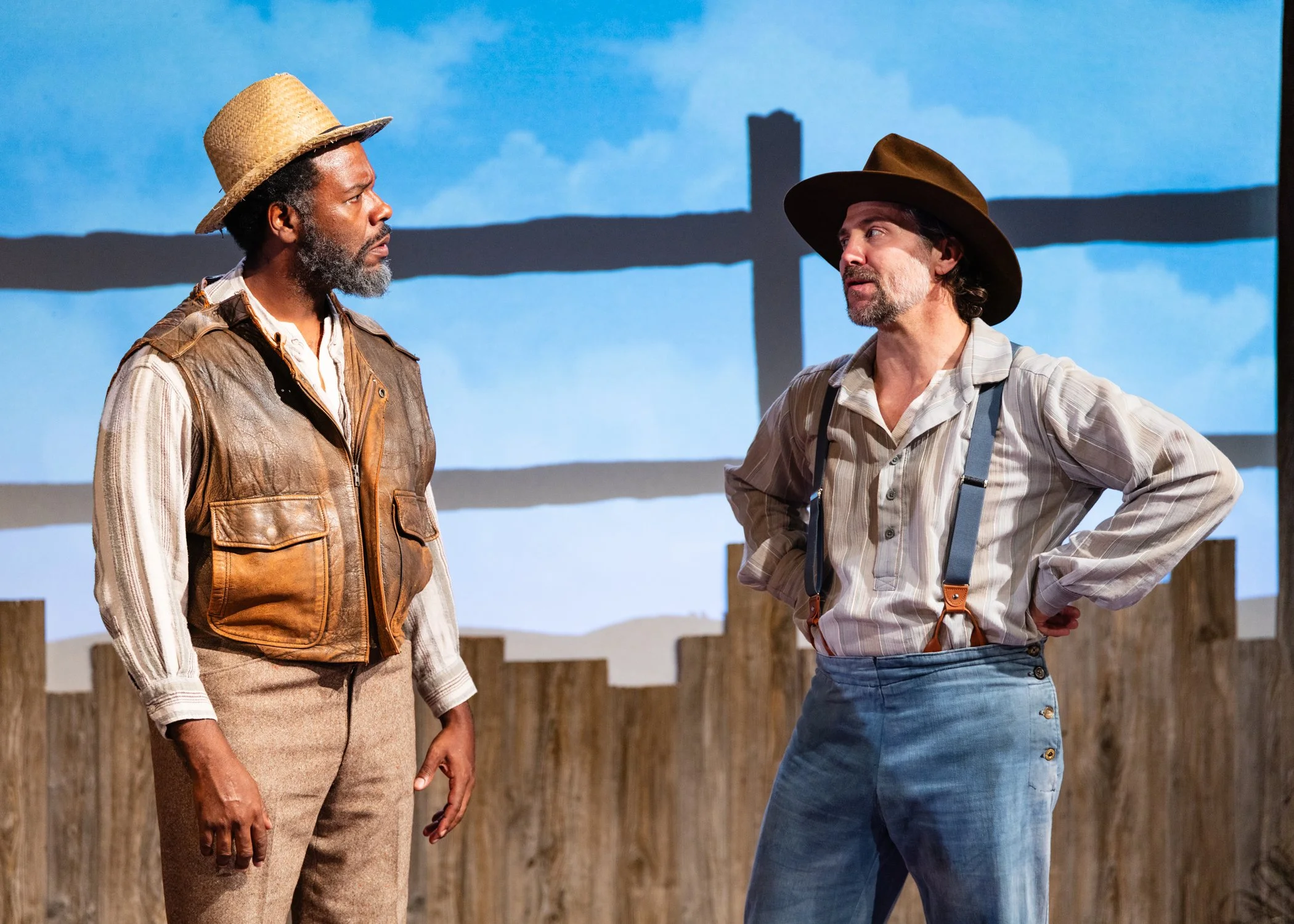
Production photographs
by Steven Townshend, Distant Era
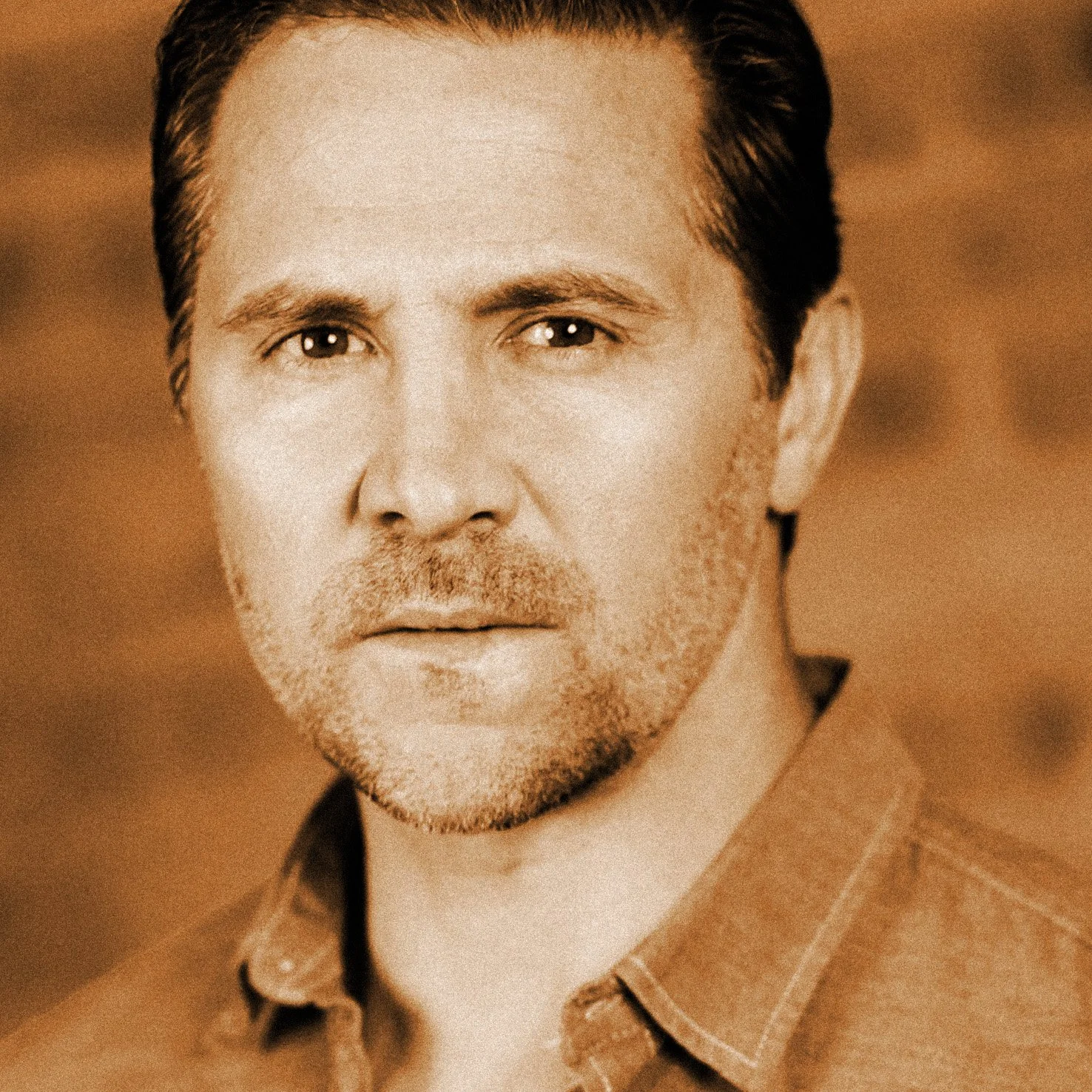
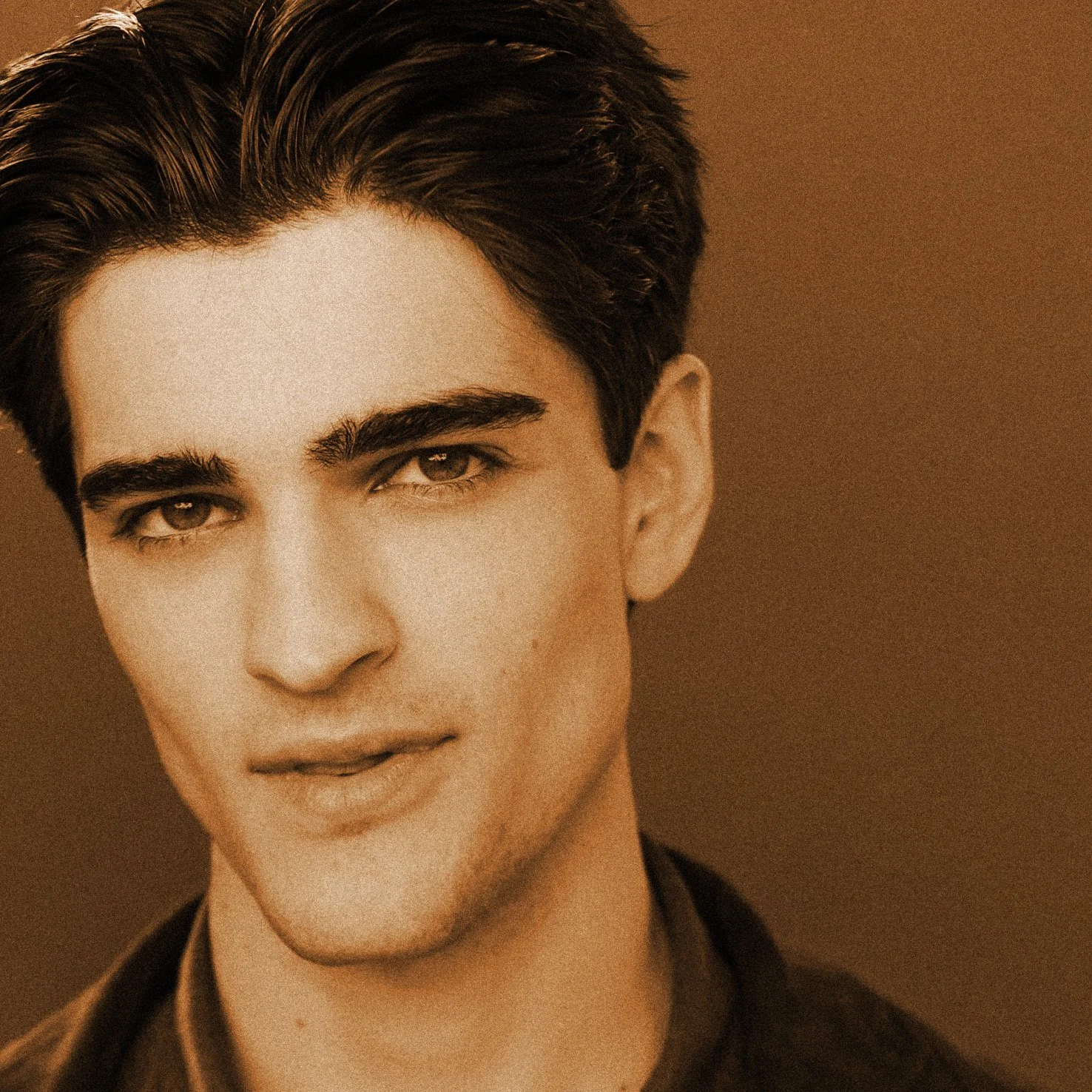
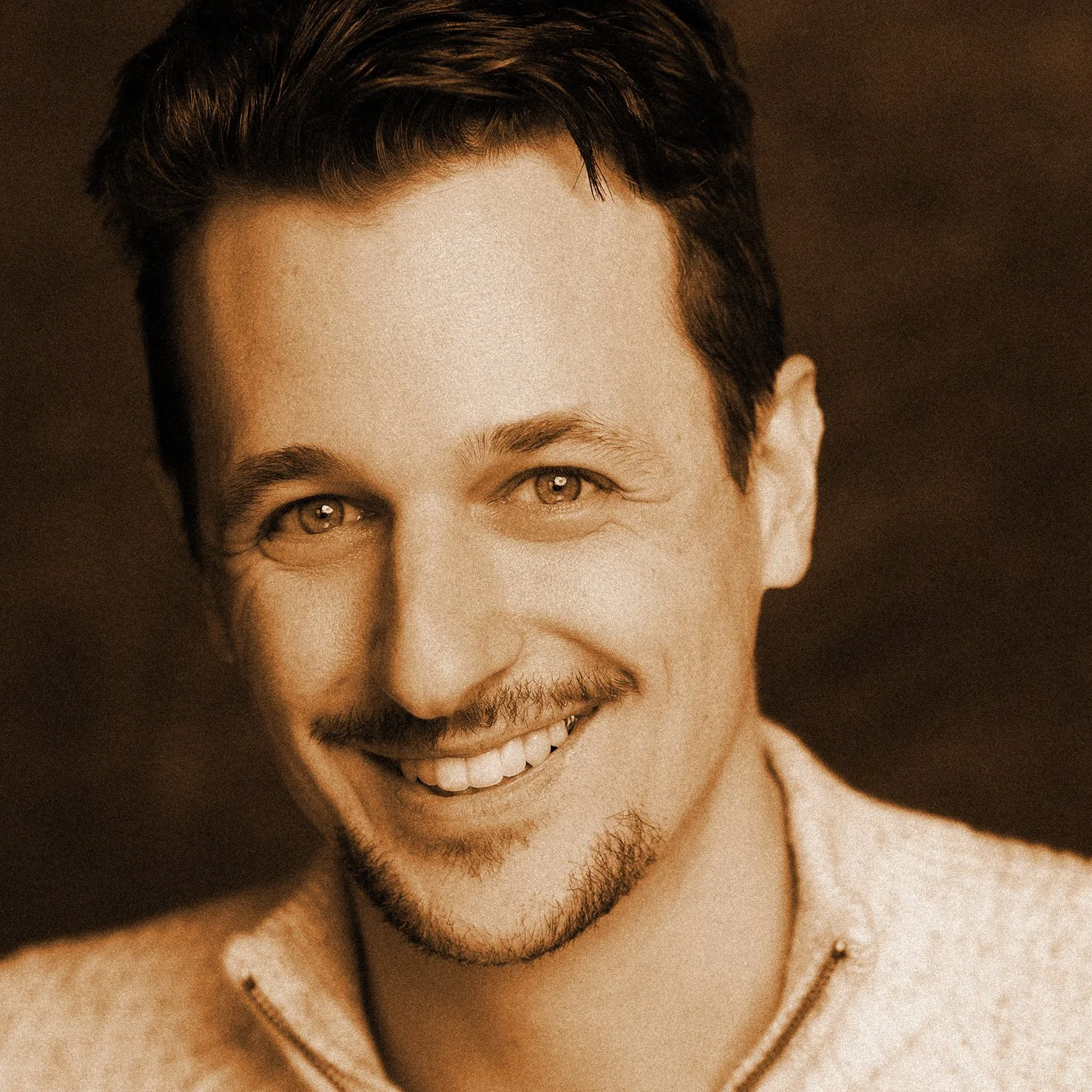
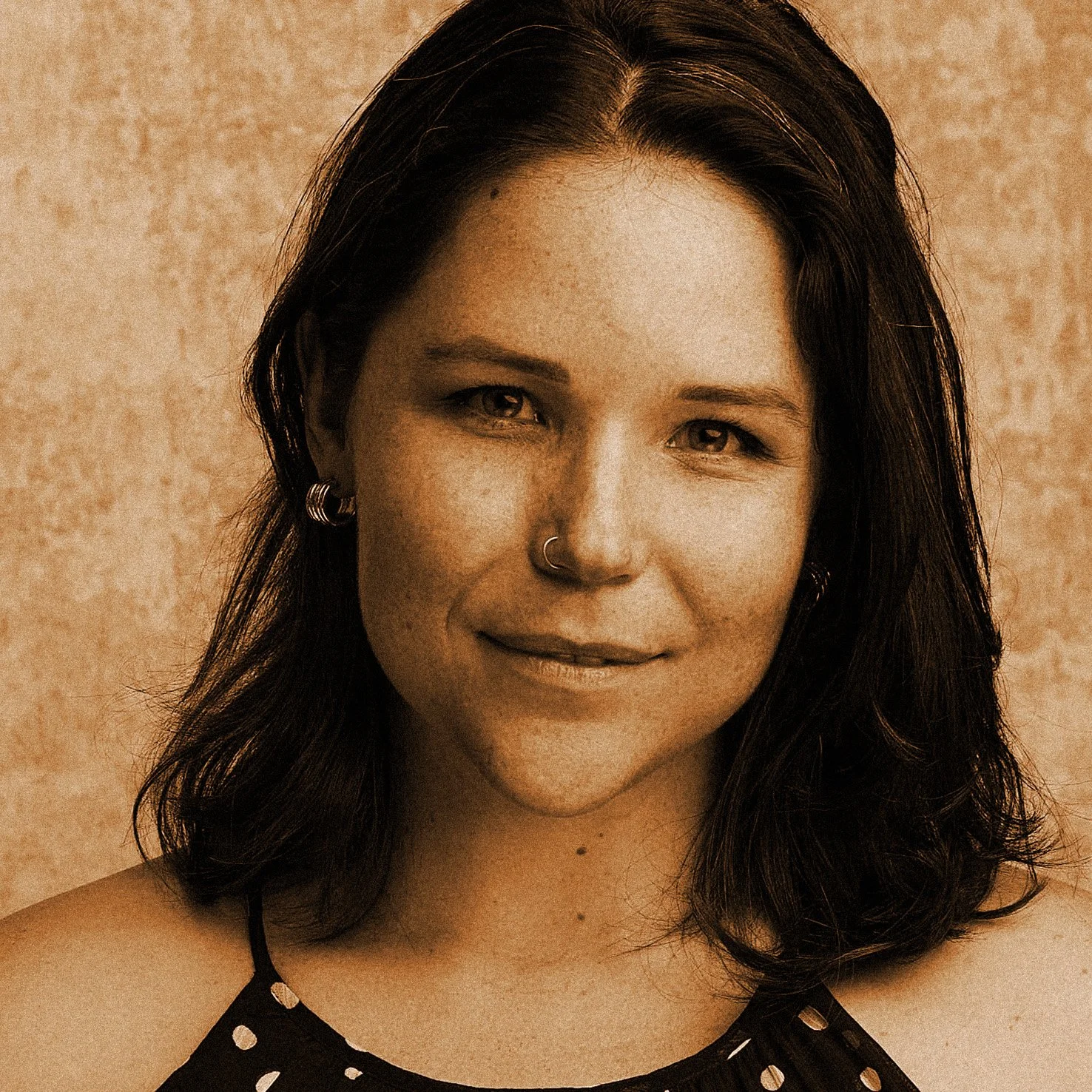
Cast
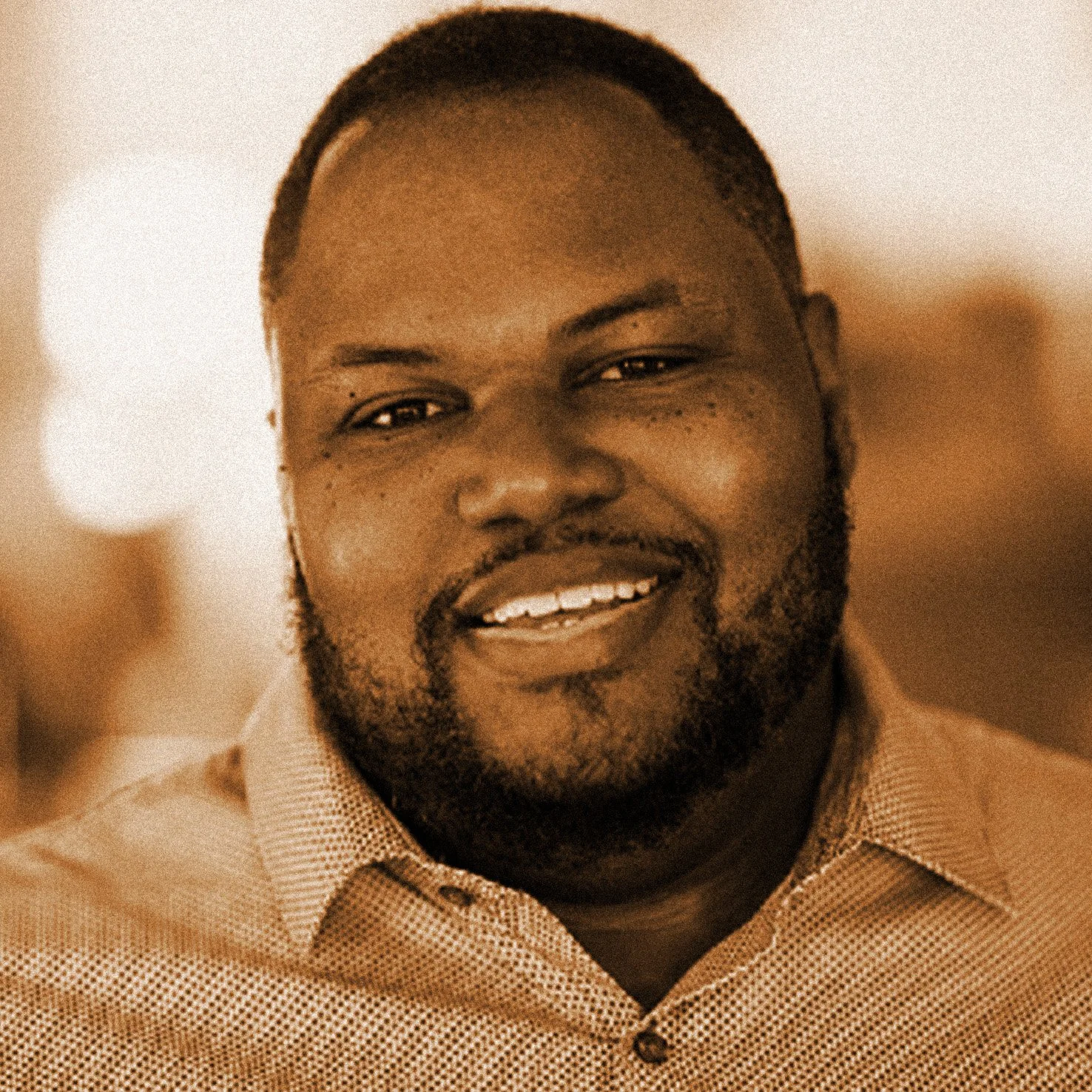
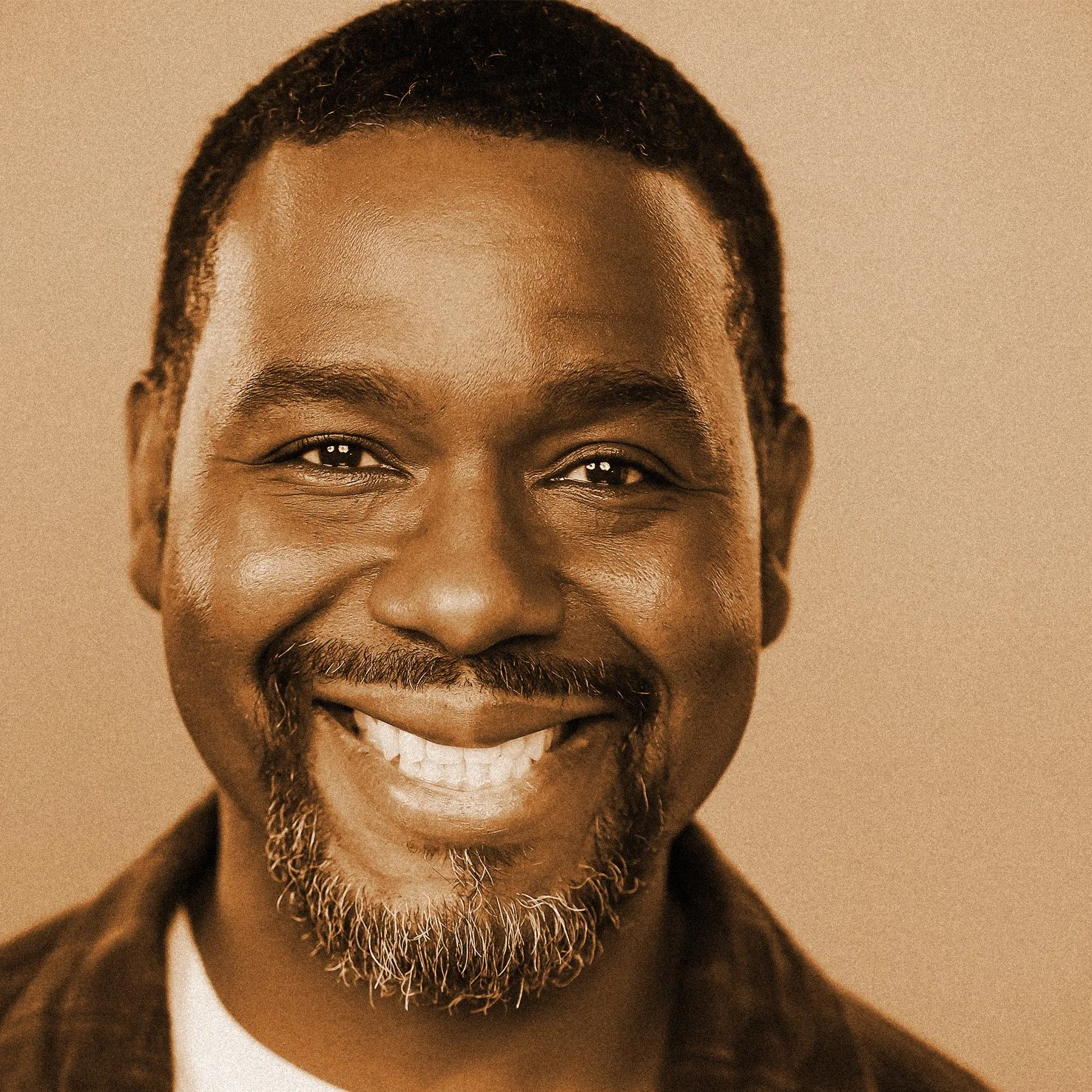
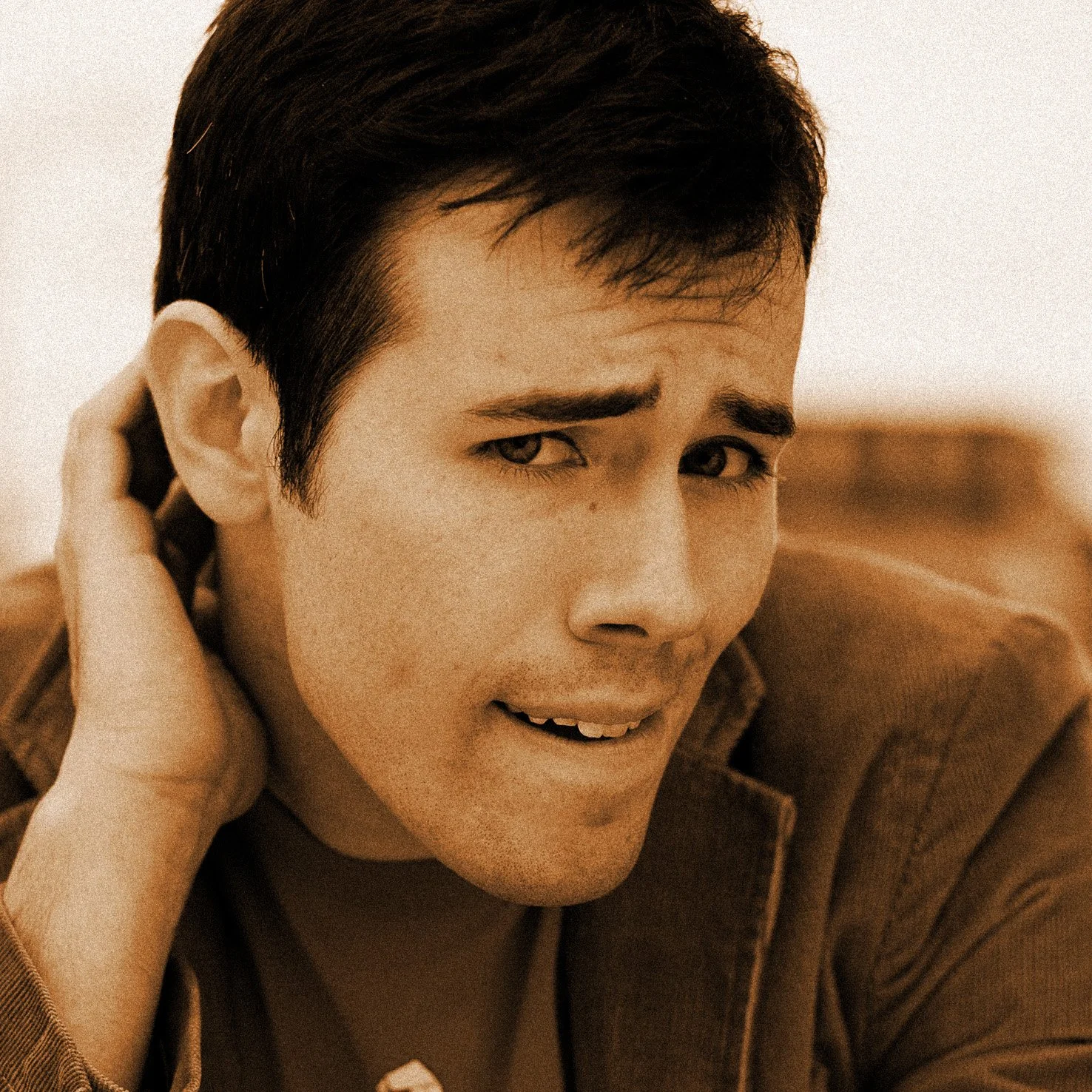
(if viewing on your phone, click on image and then click on white dot for bios)


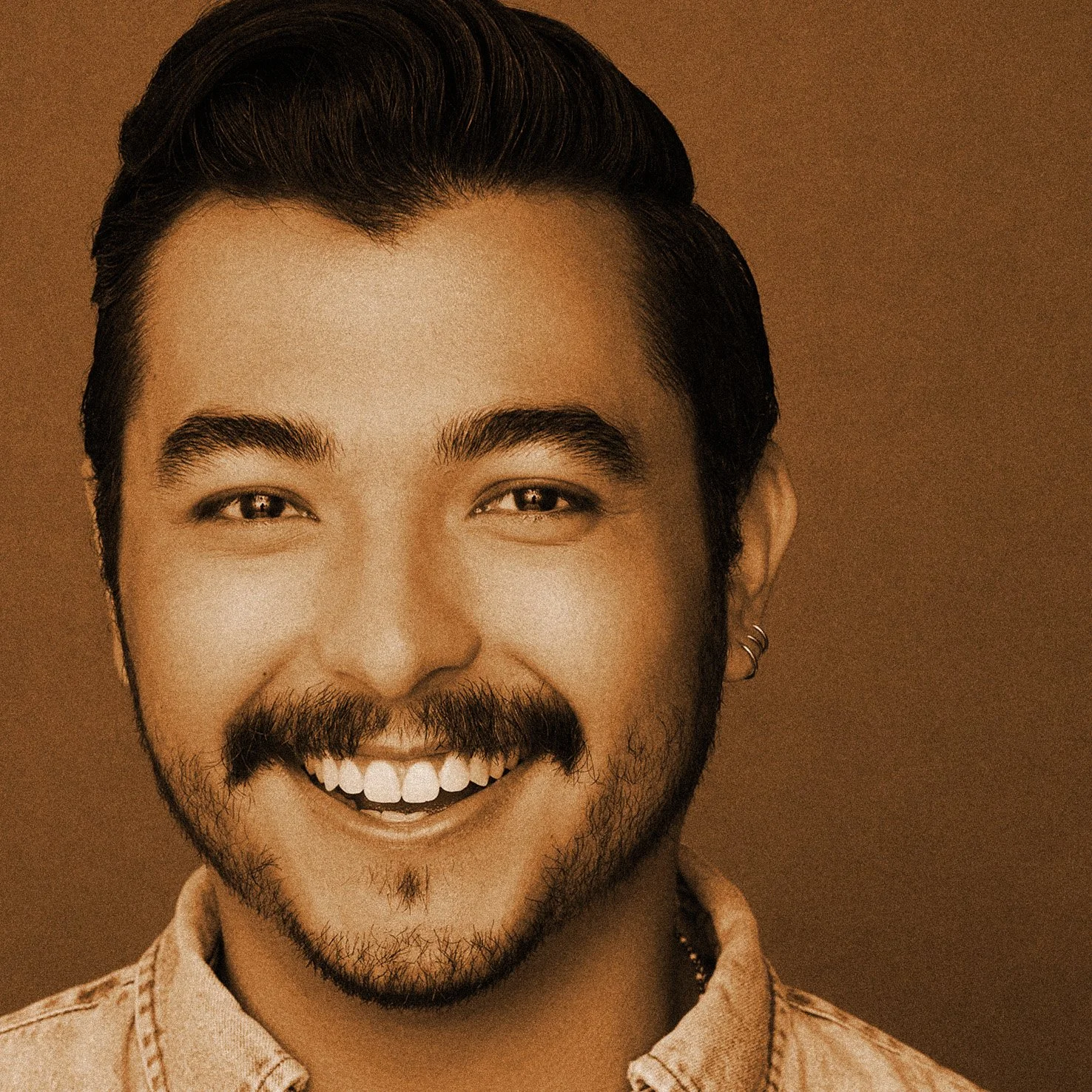

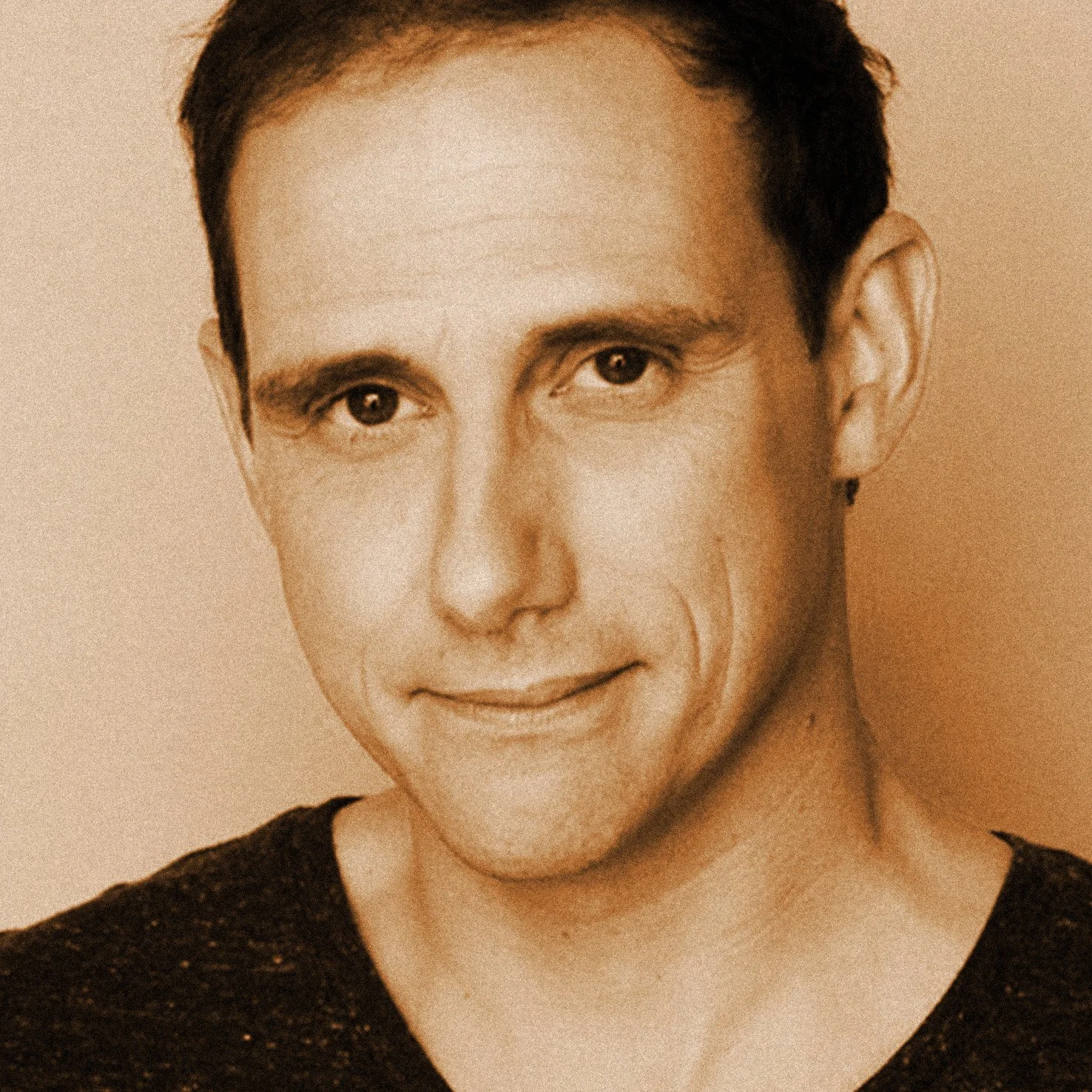


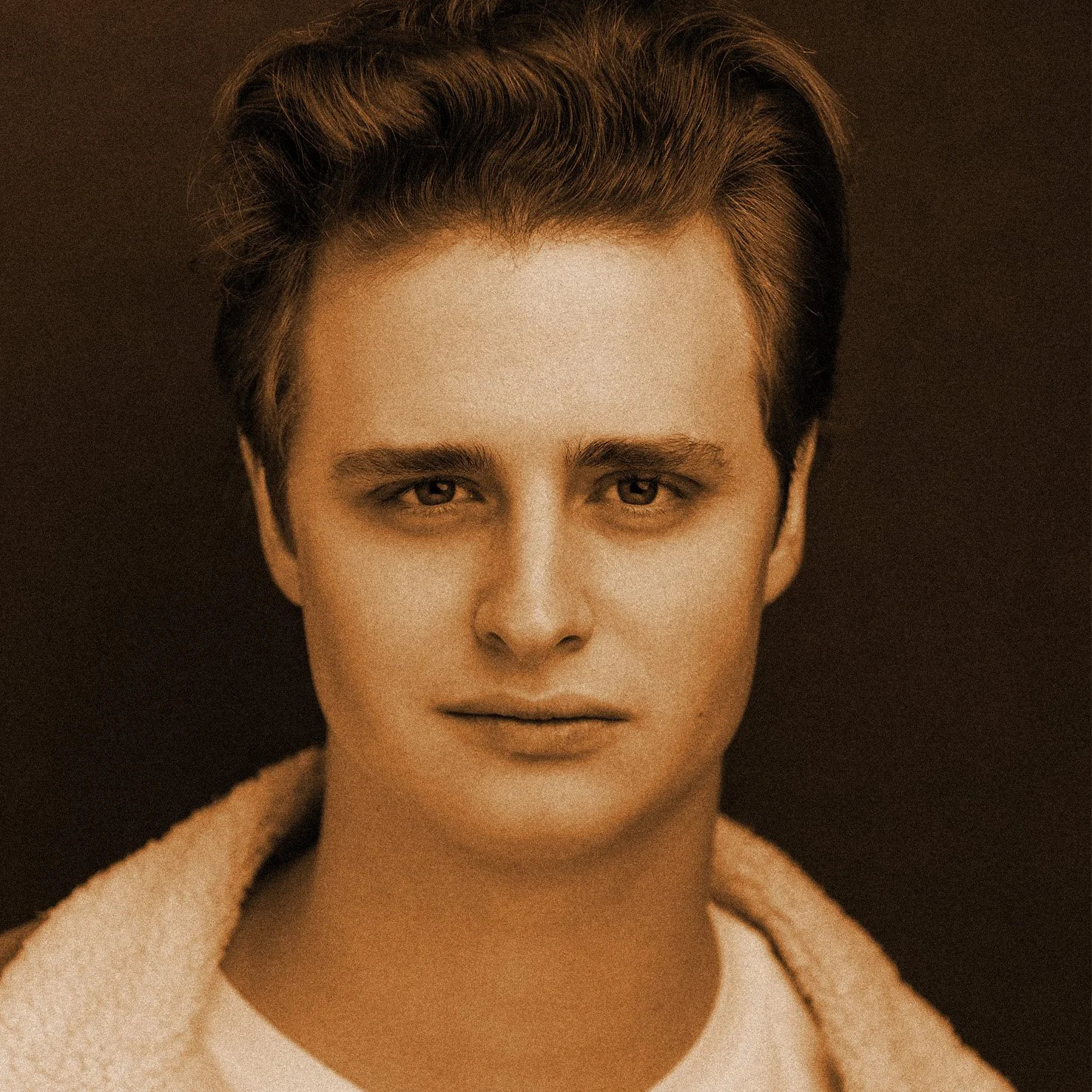
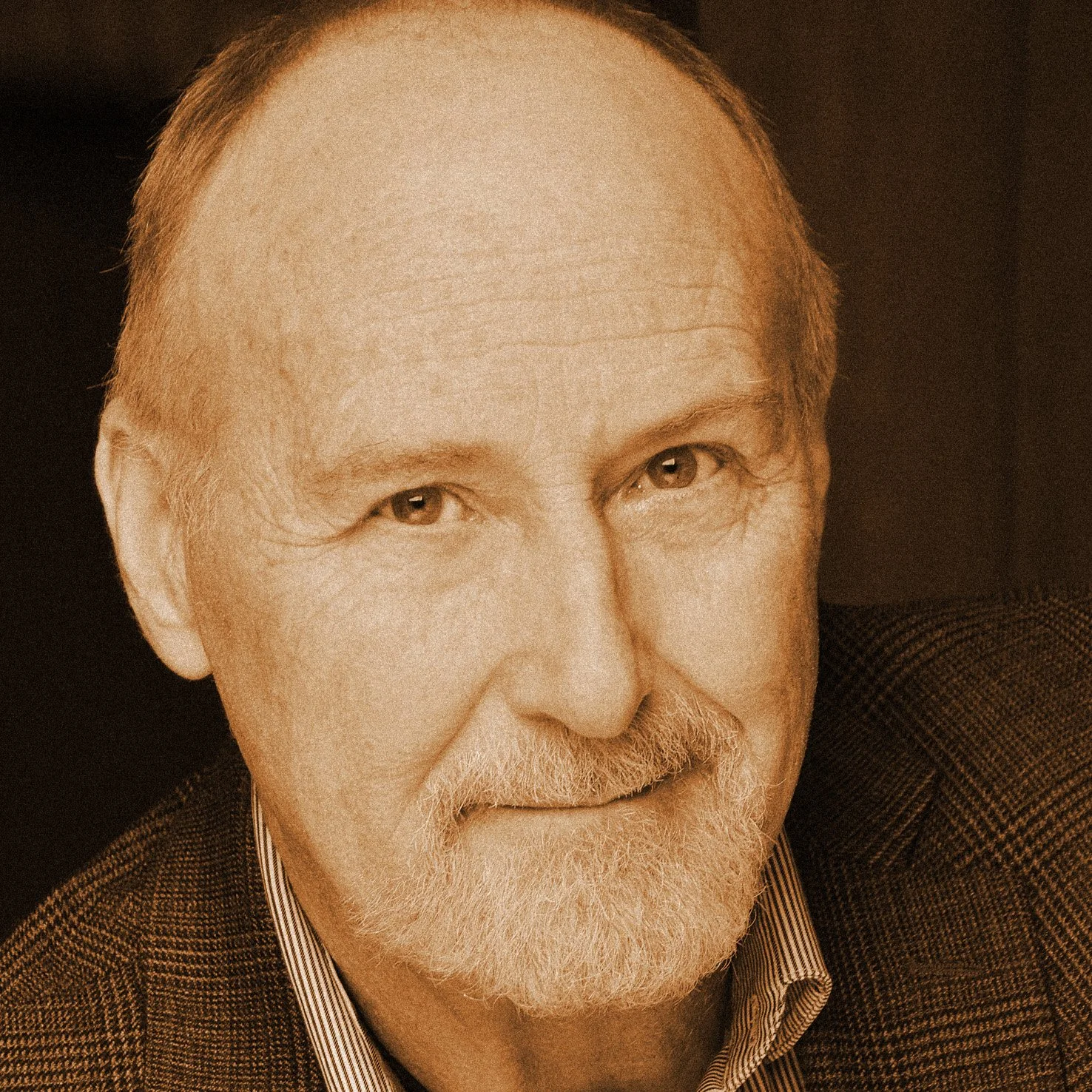

Crew
Mark Pracht (Director/Playwright) has proudly worked in the Chicago theatre community for over 20 years, as an actor, playwright and director. As a playwright, City Lit presented his series on the history of the comic book industry, The Mark of Kane, The Innocence of Seduction (which he also directed), and The House of Ideas (Non-Equity Jeff nomination for Best New Work). As an actor, he is best remembered for his performance as Harlan “Mountain” McClintock in Requiem for a Heavyweight (The Artistic Home), for which he received the 2019 Non-Equity Jeff Award for Performance in a Principal Role. You can find out more at mark-pracht.com. I dedicate this show, and all I do, to CByrd, who continues to make my heart sing with her strength and courage. I see this world through your eyes, my love, and it is a joyous place.
Courtney Abbott (Intimacy Director) (they/she) Chicago: Deserted, ‘Night Mother, Agnes of God, Wolves (Redtwist), As You Like It (Midsommer Flight); Book of Will (Promethean); TwelfthNight (OPFT); Glassheart (City Lit); the love object (The Story); In His Hands (First Floor); Lavender Men (About Face). Education: MFA, Ohio University; BS, Northwestern. Courtney is a Stakeholder in the Back Room Shakespeare Project. @backroomshakes CourtneyAbbott.com
Jeremiah Barr (Scenic Designer) is very excited to be working with the City Lit gang and the Shane team. Some of his past credits include Sherlock Holmes and the Christmas Clowns (scenic design), RUR (scenic design), Glassheart (scenic design), Night of the Hunter (scenic design) with City Lit Theatre; Strange Cargo (props/puppet design)with Black Button Eyes; Book of Will (props design) with Promethean Theatre Ensemble; Uncle Vanya (scenic/props design), The Pillowman (scenic/props design) with AstonRep Productions.
Leigh Barrett (Assistant Director) has been in Chicago stage managing, directing, and designing lights since 1989, working with companies such as Irish Theatre of Chicago, Bailiwick Repertory, Stage Left Theatre (Member Emeritus), Plasticene, Strawdog, Oak Park Festival Theatre, and City Lit. She acted as Artistic Director for Babes With Blades Theatre Company from 2011 - 2015, where she directed The Double, Bo Thomas and the Case of the Sky Pirates, 180 Degree Rule, Patchwork Drifter, and The Invisible Scarlet O’Neil.
Jeff Brain (Props Design) is a Chicago-area designer and performer that is excited to work on another show with City Lit. His previous props designs at City Lit includes The House of Ideas and The Innocence of Seduction. His recent work includes scenic designs for Native Gardens (Theatre Evolve) and Mr. Burns (UW-Parkside, Kenosha WI). See his upcoming work as Scenic Designer for Prayer Circle (Redtwist) this fall.
Josiah Croegaert (he/him; Lighting Design) CHICAGO: Jesus Hopped The A Train (City Lit) Honeypot (Fleetwood Jourdain), Pro-Am (First Floor), Mothers (The Gift), Sondheim Tribute Review, Baked!, Best Little Whorehouse in Texas (Theo Ubique), Last Hermanos (Red Orchid) CO-DESIGN: The Heart Sellers (Northlight), Falsettos (Court), Topdog/Underdog (Invictus). REGIONAL: Young Frankenstein, Every Christmas Story, Cabaret (Breckenridge). Graduate of Columbia College Chicago 2021. josiahcrodesign.com
Mateo Gutierrez (Production Manager) is so excited to work with City Lit on their production of Shane. Past credits include Every Brilliant Thing (APM/ ALD), Ms. Holmes and Ms. Watson APT 2B (PSM), SpongeBob the Musical (PSM), Carousel with Music Theatre Works (Assistant Stage Manager), and No Man’s Sky with Steppenwolf (Electrics Intern). He’s so glad to have worked with such an amazing team as he stepped into the role of production manager.
Becca Holloway (Casting Director) (she/her) is thrilled to have cast this amazing team! Casting Credits (Selected): Scaramouche (City Lit Theater), Indoor Cats, Hamlet, The Pilon, The Seagull (Red Theater), Wise Guys, Party At The Pantheon, Die Hard 4 Your Luv (Factory Theater), Romeo And Juliet, Love's Labour's Lost (Midsommer Flight). Aside from her work as a director and casting director, Becca is also the curator of the monthly Readings at Red series to help support and develop new plays written by Chicago local playwrights. Much love as always to CWW. IG: bwaybexy
Beth Laske-Miller (Costume Designer) previously worked with City Lit on Strange Cargo, RUR, House of Ideas, Innocence of Seduction, and Fuente Ovejuna. Other credits include Mary Rose, Nightmares & Nightcaps (Jeff Nom 2019), Shockheaded Peter (Jeff Award winner 2018), Goblin Market, and Coraline with Black Button Eyes and I Promised Myself to Live Faster (Jeff Award winner 2024) A Fine Feathered Murder (Jeff Award winner 2023)and L’Imitation of Life with Hell In a Handbag.
Michael Lesko (Stage Manager) (he/him) Michael’s first production with City Lit Theatre. Recent stage management credits include The Trojan Women (Eos Theatre), Bat Boy The Musical (Stage Wright), and Lyn Knottage’s Sweat (Loop Players) He has worked various roles throughout his career as an actor, sound designer, and stage carpenter. He wants to thank his family and friends for their endless support, and you all for coming to see our production of Shane.
G. “Max” Maxin IV (Projection Design) (he/him) has created over 300 designs on over 200 professional & educational productions. He is a proud member of the United Scenic Artists, Local USA 829, IATSE. Max has won 2 Non-Equity Jeff Awards (Lighting - Jekyll & Hyde @ Kokandy & Projections - Angels in America @ Invictus), a Lou Award (Lighting - Into the Woods @ Big Noise), and 3 Equity & 9 additional Non-Equity Jeff nominations. Max spent 2 summers designing lighting for the touring opera company La Musica Lirica (Novafeltria, Italy). ivMaxin.com
R&D Choreography (Violence Design) is Victor Bayona (he/him) and Rick Gilbert (he/him). R&D was founded in 1997 for the purpose of improving the power and effectiveness of Chicago area theatre through the art of violence design – choreographing better fights for better shows. We have designed violence for nearly four hundred productions and films. Our work has been seen at dozens of Chicago area theatres, including Backroom, Chicago Opera Theatre, Citadel, Factory, Goodman, Haven, Lifeline, Lookingglass, Metropolis, Oil Lamp, The Paramount, Piven, Steep, Steppenwolf, TUTA, and Theo.
Jim Terry (Projection Artwork) is a Ho-Chunk writer and illustrator who’s called Chicago his home for thousands of years. His memoir Come Home, Indio was nominated for the LA Bookprize as well as the Ignatz, and his recent visual essay Paper Cuts, based on his residency at the Newberry Library, is currently being taught in several schools. He’s illustrated for Marvel, Heavy Metal, Dark Horse, and several other publications over the years and when he’s not drawing comics he is writing spooky stories or making cheesy horror films. Find him at www.woundedbutdangerous.com
Petter Wahlbäck (Sound Design) is an award-winning Swedish composer/sound designer mainly for media and the performing arts. Over the years, he has written music for numerous films, dance performances, and theater productions. He also teaches music theory and composition at Columbia College, Chicago. Among his sound design credits are Superior Donuts, Hedda Gabler, By the Way, Meet Vera Stark, Witch, Dying for It (Jeff Nominated), The Pavillion (Jeff Award Nominated), Eurydice, Requiem for a Heavyweight (Jeff Winner), By the Bog of Cats, Ada and the Engine, and Vanya on the Plains, (Artistic Home), Changing Channels, Glassheart, House of Ideas, The Night of the Hunter, Innocence of Seduction, The Mark of Kane (CityLit), Angels in America, The Winter’s Tale, Macbeth (all three Jeff Nominated), Network, Three Sisters, Topdog/Underdog, The Crucible, Julius Caesar (Invictus).
Reviews
City Lit’s “Shane” Brings the Western Novel to the Stage
Mary Wusniewski, New City Stage, September 3, 2026
To do “Shane” on stage, you won’t be able to have real horses or wide Western vistas. But you do need a great Shane, and City Lit Theater scored big with Michael B. Woods. A past Jeff award winner, Woods looks and acts so much like the lonesome mystery man of the classic Western that he could be a tintype in a Ken Burns documentary. He’s slim and tall with an intense, blue-eyed stare and a slow, deliberate way of speaking—the way he drawls out the word “millinery” is one of the show’s many wonders.
Dressed in a broad-brimmed black hat, Woods conveys the gunfighter’s vast interior pain under his reserve. This may be sacrilege, but I think Woods makes a better Shane than Alan Ladd did in the 1953 movie—Woods’ performance is grittier, more a piece of the mythic past.
Director Mark Pracht adapted this “Shane” not from the movie but from the original 1949 novel by Jack Schaefer. In program notes, Pracht says he started working on an adaptation about twenty years ago but put it in a drawer and didn’t revisit it until last year. Pracht says that the concept of manhood has now been weaponized, with the “manosphere” making masculinity into a reason for cruelty and domination. In “Shane,” Pracht instead presents his heroes as hard-working men who respect others, while knowing that there is a time when you can’t back down.
“Shane” is about how a stranger with a past that clearly involved violence comes to stay with a homesteading family and helps defend them against a rancher who wants to take their farm.
As in the novel, the story is told by Bob Starrett, the young son of Joe, who’s the leader of the local homesteaders. The adult Bob tells the story, and both the adult and the child Bob are played by Bruce Holtman. He’s a good choice, as he has the soft features of an overgrown boy and moves like one, with his sudden quick dashes around the barnyard. His portrayal is both humorous and tender. My one quibble is that he went through some of the narration segments too fast and words got lost. He doesn’t have to be as deliberate as Shane, but we do need to understand him.
Since this is a small theater with a small budget, Jeremiah Barr’s set must lean hard on the audience’s imagination, and it’s effective. There are just a few pieces of rough furniture—a table and chairs, a front porch, fence posts and farm tools. The “saloon” is a bar just big enough for two men to lean on. Projections on the back wall by G. “Max” Maxin IV provide a sense of space, showing sunsets and shadowy silhouettes representing action in the distance. Some of the projections seemed hokey at first. But they gain in power as you become familiar with the visual language, and by the end you could imagine an actual Wyoming horizon beyond the fence posts. Sound designer Petter Wahlbäck provides the right atmosphere with soaring string music, axes hitting wood and insects singing.
Another major component of the show is stage fighting, which is tricky in a small space but brilliantly choreographed by Rick Gilbert and Victor Bayona. The violence looked real enough to make the audience gasp, especially a scene in which a character’s arm is broken.
Josh Odor (Joe Starrett), Whitney Minarik (Marian Starrett), Bruce Holtman (Bob Starrett)/Photo: Steven Townshend
The cast is strong. Jay Donley does a fine job playing both a cheating salesman and a dandified gunfighter—examples of what a real man isn’t. Sean Harklerode is good as the bullying rancher, a man who tramples the rights of everyone in the name of business. He’s the opposite of big-hearted homesteader Joe Starrett, portrayed in a nicely detailed performance by Josh Odor. Other well-executed Western types include Ross Childs as a crude and cowardly henchman and Chuck Munro as the nervous bartender who just wants his expenses repaid.
Whitney Minarik plays Marian Starrett as an amiable, sharp-eyed woman. But during moments of high conflict, the portrayal lacked passion. Maybe she intended Marian to be stoic, but that meant there wasn’t enough contrast between the only woman character and the men in her life.
This is a good production of a classic American story. But what really makes it worth seeing is Woods as Shane. As the haunted, sad-eyed hero, Woods gives one of the best performances I’ve seen on a Chicago stage this year.
Shane at City Lit centers the violence and beauty of the American west
Kelly Kleiman, Chicago Reader, September 2, 2026
How many people still grasp that when the Oklahoma! score argued “the farmer and the cowman should be friends,” it was alluding ironically to decades of ugly battles in the American west?
That’s the focus of Mark Pracht’s adaptation of Jack Schaefer’s beloved 1949 novel, Shane (originally published in 1946 in three parts in Argosy magazine), whereas the equally beloved 1953 movie gave pride of place to the forbidden love between the visiting stranger and the farmer’s wife. That appears here as well, of course, but the violence (designed by Victor Bayona and Rick Gilbert of R&D Choreography) is front and center—including the sound of an arm breaking which produced gasps from the audience.
As the titular mysterious drifter, Michael B. Woods is outstanding, conveying from the beginning Shane’s constant struggle against his past as a killer. (It’s a tribute to the actor’s range that he’s previously played Cyrano, nearly Shane’s polar opposite.) Josh Odor does his usual impeccable job as farmer Joe Starrett, whose admiration for Shane requires him to accept the latter’s growing tendresse for Starrett’s wife, Marian (played with every layer of love, intrigue, guilt, and determination by Whitney Minarik). The cast’s only weak spot is Bruce Holtman as son Bob (“Come back, Shane!”): He tries to convey childish excitement by talking too fast, slurring the narration. As director of his own work, Pracht may have been unaware of the problem—the words were perfectly clear to him, of course, because he wrote them.
G. “Max” Maxin IV’s projections are worth a paragraph of their own. They convey the beauty of the land, the mystery of Shane, and—remarkably—the powerful emotions of the scene where Shane and Joe jointly uproot the ironwood stump.
It would be interesting to see a version of Shane which explored fully its homoeroticism: Bob’s describing Shane as “magnificent,” Joe and Shane’s desire for Marian as a substitute for their passion for each other. For now, it’s enough that this version provokes the thought.
‘Shane’ Is A Classic Western With A Fresh Perspective
Alli Doubek August 30, 2026, Entertaining Chicago
A classic Western tale of loyalty and family, Shane makes its world premiere on stage, transporting audiences to 1889 Wyoming with rugged characters, a mysterious hero, and a young narrator who sees the adventure through very different eyes.
Ever since the Western genre became popular in the late 1800s and early 1900s, it has been a major part of American storytelling. We have hugely successful television shows and films, although, surprisingly, the genre has been somewhat lacking on the stage. There is Annie Get Your Gun and Oklahoma!, but it is a genre that could use more exploration.
Shane is about a mysterious man who shows up at the Starrett homestead in a Wyoming territory in 1889 and is just passing through. While there, Joe Starrett offers him a job as a farmhand. Shane clearly has a past that he is hiding, but he is a good worker, and Joe’s son, Bob, and wife, Marian, take to him just as Joe does. When open-range rancher Fletcher tells Joe to sell him his farm, Shane and Joe instead choose to defend the land with consequences.
Based on the 1949 novel by Jack Schaefer and adapted and directed by Artistic Associate Mark Pracht, this is the world premiere of Shane at City Lit Theater Company, and it is a western through and through.
Clad in leather vests, cowboy hats, striped shirts, and overalls, each of the adult men in this show carries themselves with their defenses up and has only rare moments of vulnerability. The story is serious, with real threats to families’ livelihoods and locals’ lives.
What sets this show apart, though, is that it is narrated by Bob, the Starretts’ son. Completely taken with Shane from the moment he lays eyes on him, Bob (played by charming Bruce Holtman) keeps the audience abreast of what is happening while bringing an unexpected sense of levity to the high-stakes drama around him. As an adolescent, he sees Shane and the events around him with a naivete that makes many of his lines particularly funny.
The stage feels rustic, with the front structure of a wooden house, wooden tables and chairs, flannel cakes for breakfast, and a wooden saloon in town. A screen at the back of the stage displays everything from the house window with the setting sun to fencing on the property, two men cutting down a tree stump, the silhouette of a man with smoke tendrils rising into the air, and more. Together, the rustic set and detailed projections create a fully realized Wyoming landscape.
The cast is solid, led by a fierce Michael B. Woods as Shane, a gentle protector in Josh Odor as Joe, and a strong but feminine energy in Whitney Minarik as Marian. And although the Starretts don’t seem to mind his mysterious past, the question of who Shane really is — and whether Shane is even his real name — lingers throughout the production as he fights for the people and land he has come to care about.
With stage combat, gunshots, a mysterious stranger, and a fight for the land they call home, Shane has all the hallmarks of a classic Western. If you love the genre, this is a chance to see one of its familiar stories take a new form on stage.
Shane runs for approximately 1 hour 35 minutes including a 10-minute intermission. It is suitable for ages 10 and up.
City Lit’s Shane saddles up a classic western with fresh heart
Written by Angelo Campos, Buzz Center Stage, August 30, 2026
City Lit Theater’s world premiere of Shane, adapted for the stage and directed by Mark Pracht, brings a fresh, nostalgic perspective to Jack Schaefer’s classic novel - a story immortalized by Alan Ladd in the memorable 1953 film. Pracht, who has been developing this piece since the 2000s, crafts the adaptation as a heartfelt tribute to his own father and grandfather. The result is a sincere exploration of positive masculinity, celebrating men who stand by their virtues and protect others, even at great personal cost.
Set in the Wyoming Territory in the 1880s, the story kicks into gear when Shane, a quiet, mysterious stranger carrying the weight of a dangerous past, rides onto the homestead of Joe Starrett. Seeing something noble in the newcomer, Joe offers him a job as a farm hand, inviting him into his home and introducing him to his wife Marian and young son Bob. But the family’s peaceful routine is threatened by an escalating battle over land. Fletcher, a ruthless local cattle baron, wants to drive out the homesteaders at all costs, even hiring a killer to instigate a final conflict.
The narrative shines primarily through the eyes of young Bob, played warmly by Bruce Holtman. Spying on Shane at every opportunity, Bob serves as our window into understanding this complex, high-stakes frontier world. Narrating much of the action, Holtman skillfully transitions from an energetic, shy, and wide-eyed child into a mature observer. He injects a sense of humor into the production, as his younger self observes the adult world without always understanding the subtext. Through Bob’s perspective, the story taps into the beloved western's classic father-son overtones. He sees the mysterious stranger as the tough, capable man he wants to become, while Shane’s genuine kindness toward the boy shows that despite a dark past, he is capable of taking him under his wing.
Michael B. Woods gives a strong performance as Shane, maintaining a jaded, guarded viewpoint that slowly softens. He gives the titular character a needed complexity as he wrestles with his past and rediscovers himself. Woods also executes the stage combat with convincing physical precision.
The ensemble also gives strong performances. Josh Odor plays Joe Starrett, with a steady, kind masculinity. He is stoic, hard-working, and fiercely devoted to his family, yet far from weak; in Shane, he finds a true blood brother who is willing to stand beside him in the fight against Fletcher's greed. Whitney Minarik plays the wife, Marian, with equal skill, portraying a stern woman who may be a little bit of a fish out of water in the frontier, but who manages regardless. Minarik handles the character's complex emotional landscape well, navigating a subtle romantic pull toward Shane.
Adapting a western presents production challenges, and yet, the play manages a compelling story. In a contemporary landscape where masculine energy is often framed negatively, this tale highlights what it means to be a man of integrity: placing the needs of others first and standing up for what is right despite fear. As Shane famously notes, "A gun is a tool. No better and no worse than any other tool.” In that same spirit, Shane learns to see himself as more than the past he ran from. By choosing to protect a family and a home he cares about, his ultimate victory on stage allows us, much like Bob, to recognize our own capacity for growth and virtue. City Lit’s Shane is earnest, capable entry for anyone looking to step into the Wild West for an evening.
Exciting nuances, done with finesse
By Julia W. Rath, Around The Town, 9/1/2026
Based on Jack Schaefer’s novel of the same name, “Shane” has migrated to the stage under the direction of Mark Pracht, who is also the story’s adapter. Pracht has taken some excellent material and has now included some exciting nuances that have brought something unique to the story, especially with respect to the lead role of Shane, captivatingly played by Michael B. Woods. Woods charms us with his soulful demeanor, large eyes, and slow walk in a way that no one else can, plus his interaction with the entire cast makes this play one of a kind. The addition of some physical comedy and a few one-liners add to copious moments of wit and dry humor and distinguish this production from the iconic 1953 movie, starring Alan Ladd and directed by George Stephens.
What’s exciting in the novel and now in this play is how Bob Starrett (Bruce Holtman) narrates the story from the perspective of a boy who is coming-of-age. He tells us about an itinerant and mysterious stranger named Shane, who suddenly shows up at his parents’ Wyoming farm. Joe Starrett (convincingly acted by Josh Odor) and his wife Marian (Whitney Minarik) take Shane in as a hired hand after their previous laborer was scared off the property by agents of the prosperous rancher Luke Fletcher (Sean Harklerode). A man of few words, Shane soon becomes Bob’s idol and the subsequent hero of the local farmers. The year is 1889, and these frontiersmen have been granted land by the U.S. government as part of the Homestead Act of 1862, which encouraged individuals to own and operate their own family farms in the West. In sharp contrast, Fletcher wants to grab huge swaths of the farmers’ land by any means necessary in order to create huge open range territory for his expanding cattle herd. Hence, the cruel and calculating Fletcher has hired his mouthpiece Wilson (Jay Donley) to try to coerce farmers to sell their property to him or make them fearful enough to abandon their land outright, involving threats to kill them if they refuse his offers. Other characters include the saloon-keeper Sam Grafton (Chuck Munro), Fletcher’s cowhands Chris (Andrew Pappas) and Curly (Ross Childs), homesteaders Ernie Wright (Brandon Boler) and Frank Nall (Lou Shipstead), and the traveling peddler Ledyard (Donley in a dual role).
Act I basically provides the setup for Act II, where most of the action takes place. In Act I, Shane works on the Starrett’s family farm and comes off as an honest man who doesn’t carry a gun but who wants to right wrongs. From the beginning, he downplays the fact that he is a gunslinger. Fletcher is finally introduced in person in the second to the last scene in the first act (as compared to the farmers’ simply talking about him and what evil he has previously done). But it is in Act II when Shane finally proves his mettle and we see the fulfilment of the tale. A famous line from the George Stephens’ movie is repeated in this production: “A gun is a tool, Marian, no better or no worse than any other tool—an axe, a shovel or anything. A gun is as good or as bad as the man using it.”
Pracht’s directing is perfect for this play. Considering the number of actors in this performance and how well one scene flows into the next, Pracht has clearly mastered the art of good blocking, which basically means guiding the audience’s focus, creating the rhythm and emotion of the scene, and conveying character relationships without dialogue.
Scenic design by Jeremiah Barr is minimalist, with the outline of a wooden shack plus a wooden fence with horizontal rails and fake clumps of grass on the ground throughout. What takes the place of a sophisticated set is the nicely accomplished projection design by G. “Max” Maxin IV in combination with Jim Terry’s projection art. All of this creates the illusion of the outdoors in a very artsy way and advances the story well. I particularly enjoyed the scene with the two men taking axes to a giant stump (although if you watch carefully, you’ll notice that the axes in real life both have single heads…). Additionally, the projections show capital letters of the name “Shane” at the beginning of the performance in shades of purple with a sunrise and mountains in the distance; this later morphs into a series of black and white photographs of various cowboys and farmers, possibly taken from the movie. We see modest props by Jeff Brain, consisting of some furniture, like a square wooden table with three wooden chairs, and items such as guns and ropes, which we can associate with the Wild West. Lighting by Josiah Croegaert works well, especially when spotlighting Bob, the narrator, and separating him out from the action, that is, when he is addressing the audience directly versus when he is part of a scene himself. Sound design by Petter Wahlbäck could not have been better. The cowboy/Western music, featuring harmonica and guitar, only adds to the prevailing theme.
The costumes, designed by Beth Laske Miller, look outstandingly genuine for the time period. I especially loved the cowboy hats, with Shane wearing a black one with silver trim and Joe wearing brown. Fletcher sports clothing that makes him appear financially prosperous as compared to the farmers who wear overalls, whereas Fletcher’s hired associates wear apparel appropriate to the town rather than the farm, as they do work that doesn’t get them physically dirty. Bob’s outfit in light blue and silver is supposed to remind us that he is still a boy, although, to my mind, a younger actor should have played the part—and Shane’s speech towards the end about him being “freckle-faced” doesn’t really ring true. Last but far from being least, intimacy director Courtney Abbott plus principals Victor Bayona and Rick Gilbert of R&D Choreography have coached the actors in the type of violence design and close contact necessary for a staged Western to seem realistic with their creation of authentic-looking fight scenes.
Basically, Pracht’s retelling of this tale is done with finesse. The play capitalizes on our fascination with a bygone era inherent to the American frontier just before the turn of the 20th century. While watching the gun-toting men provides us with some escape from today’s realities, the story shows us what can happen when wealthy interests feel entitled to trample on the “common man”, who becomes more and more impoverished as his traditional way of life is being threatened. Compare the rural people back then to residents today who are in an uproar about the potential destruction of their farmland and their quality of life with the likely introduction of giant data centers into their communities—and you get the idea.
