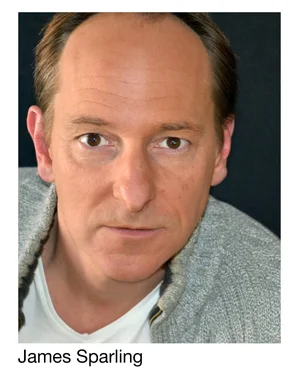
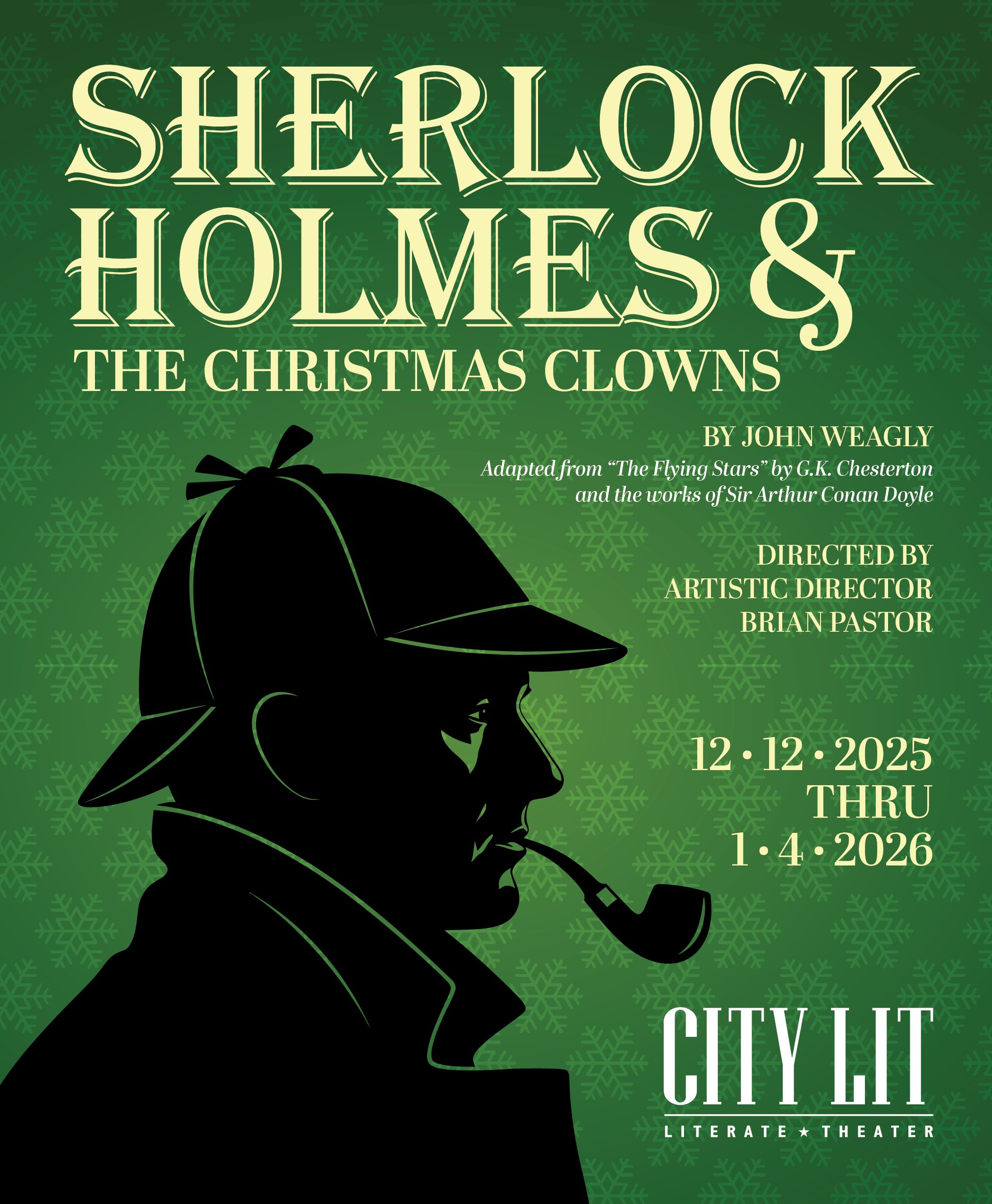
Sherlock Holmes and the Christmas Clowns
“As a warm seasonal cup of retro cheer...Sherlock Holmes and the Christmas Clowns hits the sweet and silly spot.”
“For audiences seeking a playful twist on a classic detective during the holiday season, this production offers an entertaining escape.”
“A happy combination of witty dialogue, lovely Victorian costumes and four-part harmony Christmas caroling, with a touch of Gilbert & Sullivan...a beautifully decorated Christmas cookie—sweet, satisfying and just the right size.”
written by John Weagly
Adapted from the works of G.K. Chesterton and Sir Arthur Conan Doyle
directed by Brian Pastor
Sherlock Holmes and Dr. Watson travel to the country to spend the holidays with an old army comrade of Watson’s. What they don’t know is that one of the other guests at this English manor is a notorious international thief. When a priceless present is stolen during a Christmas pantomime, can Sherlock discover the culprit before the curtain falls? Carols, courtship and comedy bring cheer to the cold winter in this holiday treat.
showtime: 55mins.
Fri (7:30pm), Sat (7:30pm), Sun (3pm): 12th December - 4th January
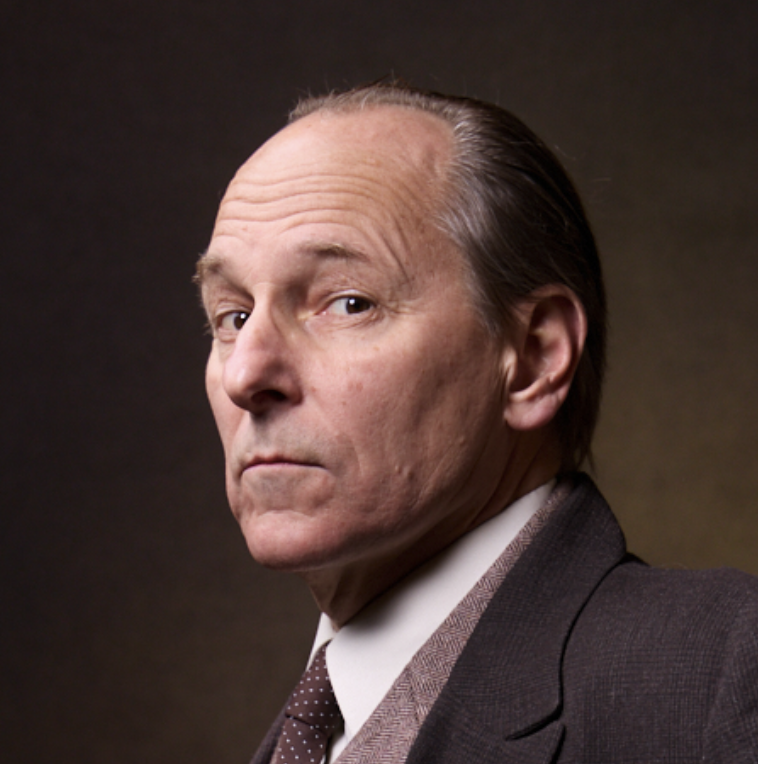
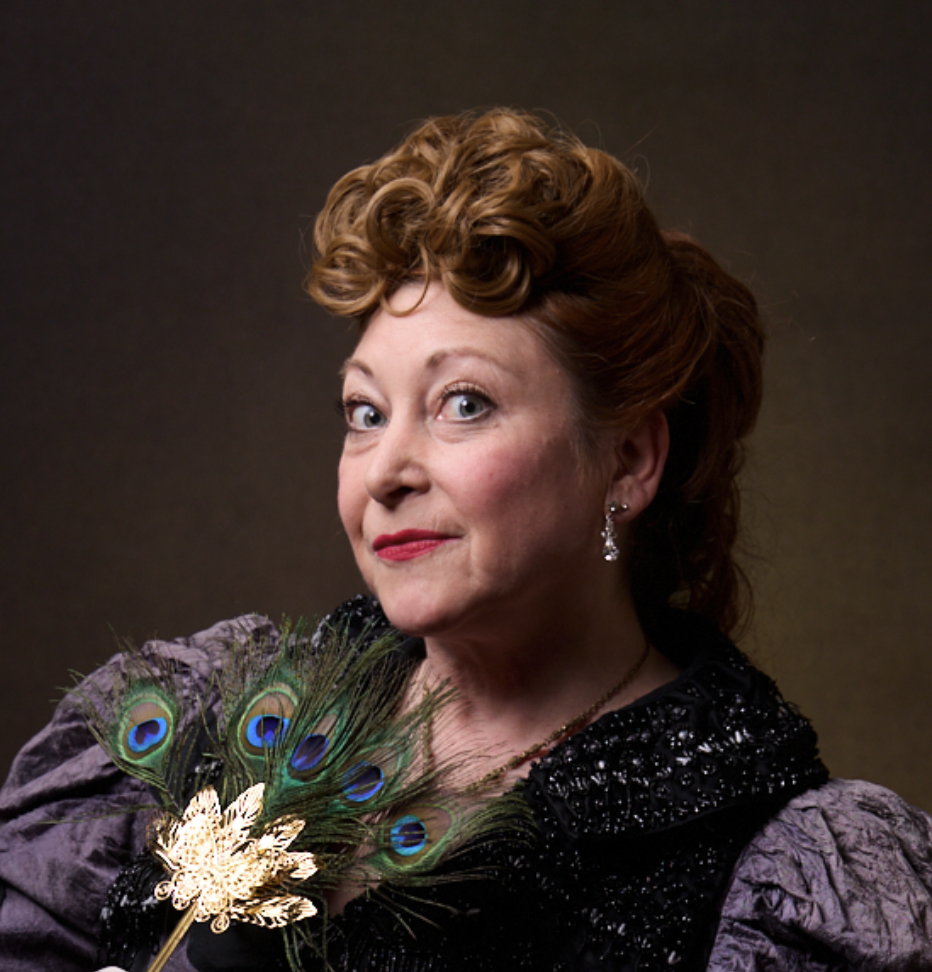
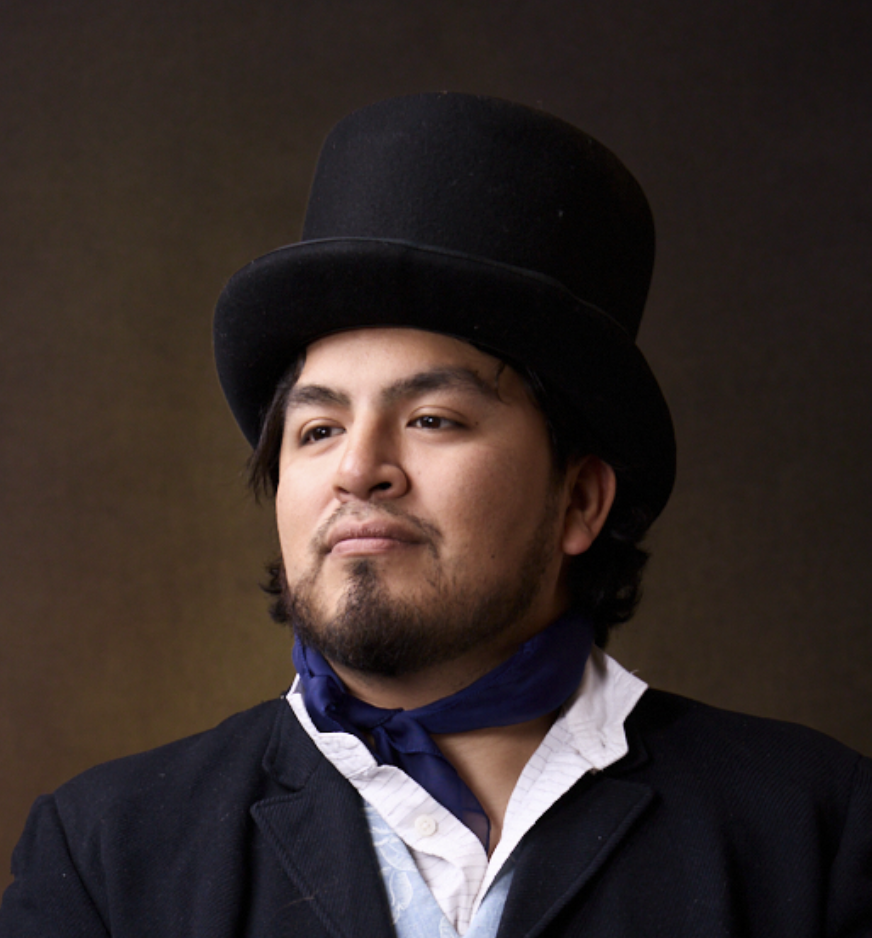
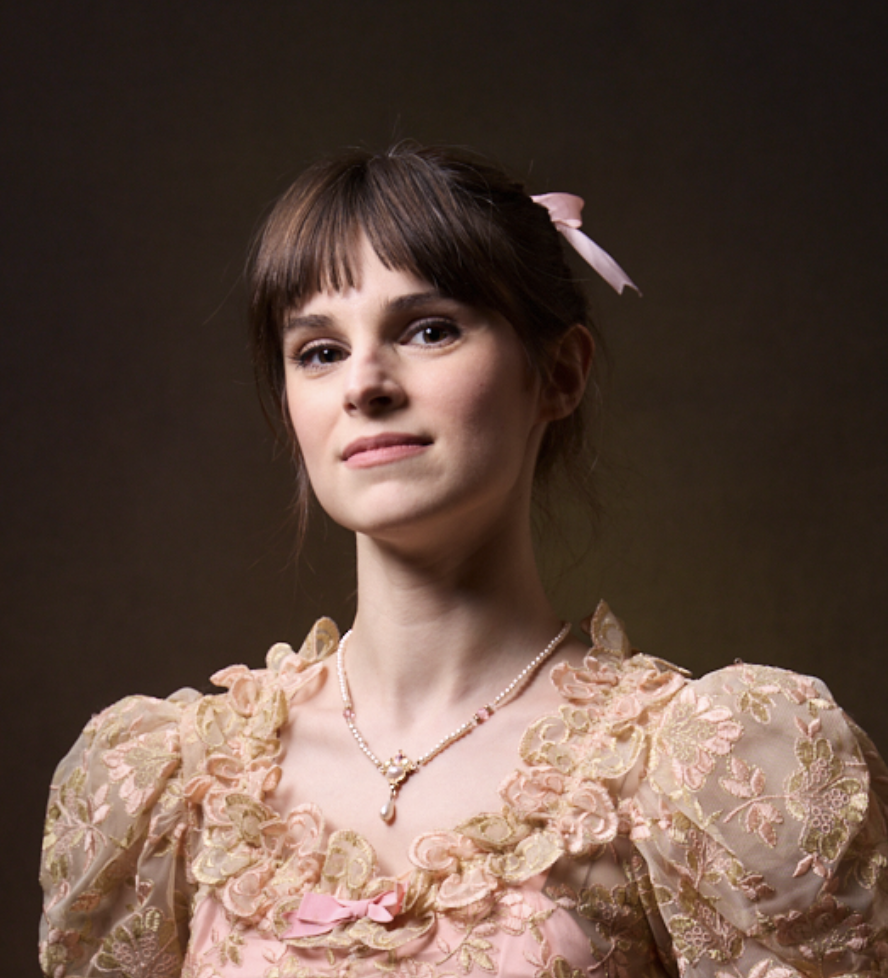
Cast: photos by Steven Townshend
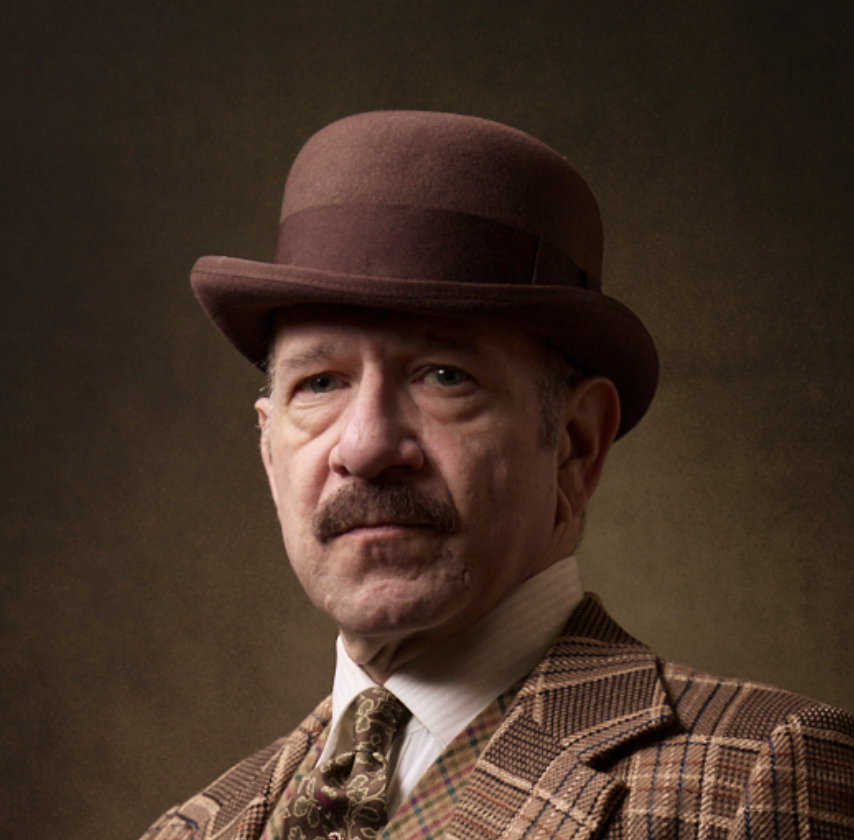
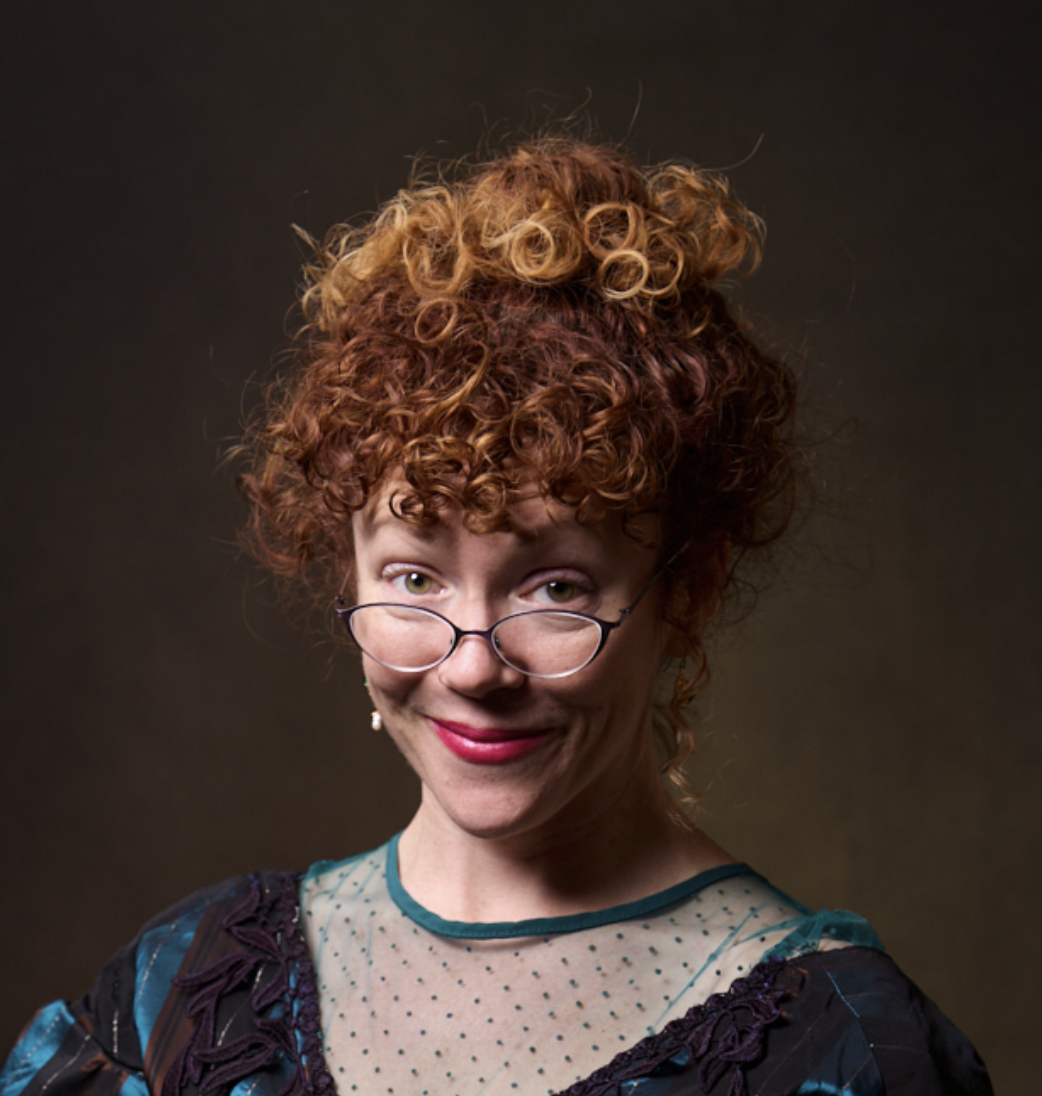
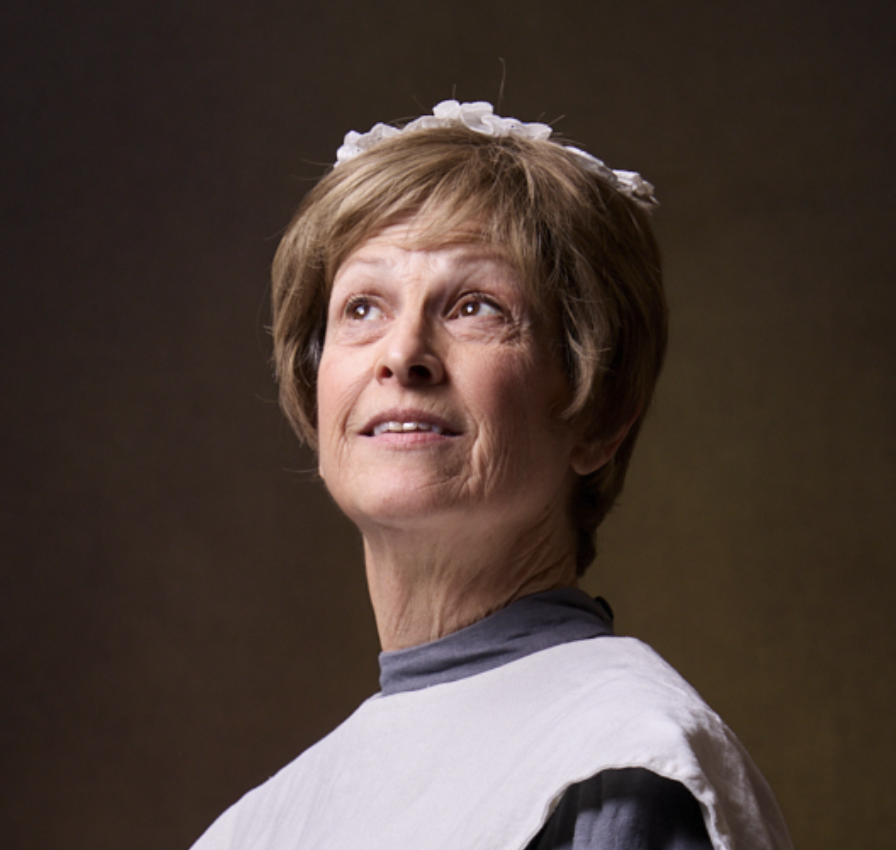

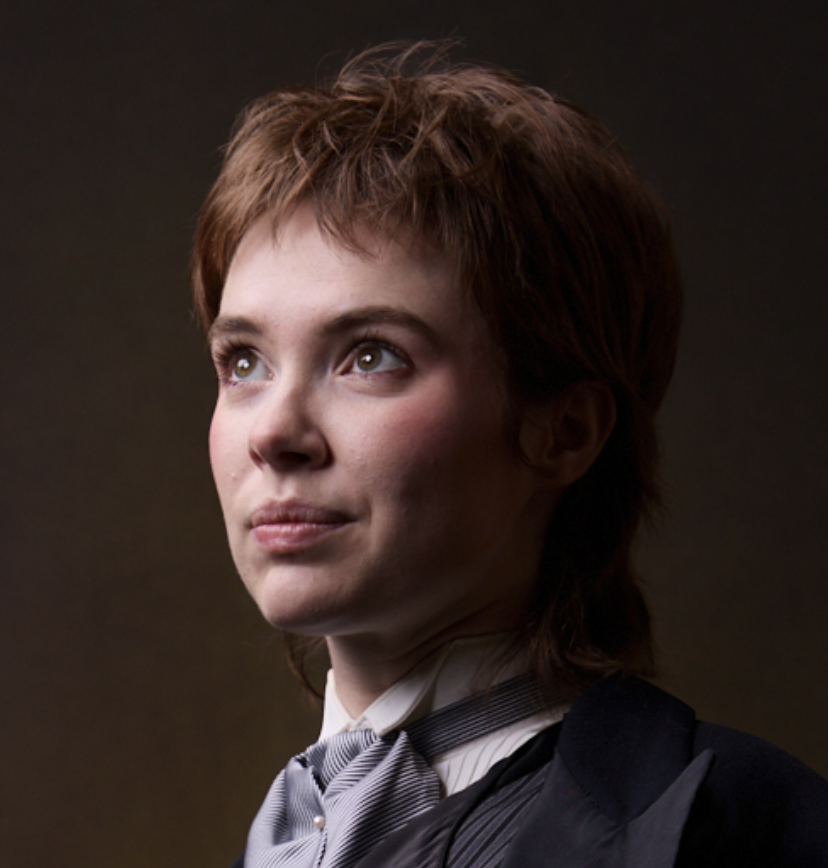


Crew
Jeremiah Barr (Scenic Design/Technical Director) is happy to be a part of the Holmes & Watson team. Some of his past credits include Blood Countess (technical director), School for Scandal (technical director) with Idle Muse; Strange Cargo (props/puppet design), Jesus Hopped the A Train (technical director), RUR (scenic design) Glassheart (scenic design), Night of the Hunter (scenic design) with City Lit; A Shadow Bright and Burning (scenic/props design) with Black Button Eyes; Book of Will (props), A Town Called Progress (scenic/props design) with Promethean Theatre Ensemble; The Pillowman (scenic/props), Betrayal (scenic/props design), The Language Archive (scenic/props design) and When We Were Young and Unafraid (scenic/props design) with AstonRep Theatre Company. Jeremiah is super pleased to be working with such a great cast and fantastic crew and wishes them all the very best. A big shout out to Samantha for all her love and knowledge of cats that keeps him on his toes.
Paul Chakrin (Violence Coach) is happy to be working with City Lit again, having previously choreographed the violence for Night of the Hunter and Glassheart. In the past, he’s been seen onstage at Innocence of Seduction, Voice of Good Hope, and The Safe House (City Lit); Neverwhere (Lifeline) and Windwalkers (Imposters). In addition to violence design and acting, Paul is also a photographer and art student.
Liz Cooper (Lighting Design) is excited to be designing at City Lit again! Some of her favorite City Lit designs include Strange Cargo, Glassheart, Night of the Hunter, and Thirteen Days. Other favorite design credits include A Shadow Bright and Burning, Mary Rose, The Authorized Fan Production of Dr. Horrible's Sing Along Blog, Ghost Quartet, and Shockheaded Peter (Black Button Eyes), I Promised Myself to Live Faster, The Golden Girls Lost Episodes at Golden Con 2022, The Drag Seed (The Chopin, Chicago and La Mama, NYC) and Christmas Dearest (Hell in a Handbag), and, The Winter's Tale (Oak Park Festival Theatre). She is an Artistic Associate at City Lit. Her light plot for Christmas Dearest was included in Live Design's 31 Days of Plots in 2021.
Hazel Marie Flowers-McCabe (Stage Manager) is positively chirked to be back at City Lit for the umpteenth time. Previous City Lit shows include The House of Ideas, The Birthday Party, Hay Fever, The Virginian, Hound of the Baskervilles, London Assurance, Hauptmann, Cocktail Time, The Strange Case of Dr. Jekyll and Mr. Hyde, and MANY more. She has also had the pleasure of working with Midsommer Flight, Raven, A Red Orchid Theatre, Black Button Eyes Productions, Commedia Beauregard, Promethean Theater Ensemble, Hell in a Handbag, A Crew of Patches, Polarity Ensemble Theater, Red Hen/Chicago Jewish Theater, ARFTCo, L.I.V.E., and Accomplice.
Carrie Hardin (Dialect Coach) is pleased to be returning to CityLit, after most recently coaching Strange Cargo season. Other CityLit credits include House of Ideas, Night of the Hunter, Murder in the Cathedral, Playboy of the Western World, and London Assurance, among others. You may have heard her coaching efforts around town with First Folio, Lifeline Theatre, Babes with Blades, Pegasus, Promethean Theatre Ensemble, Aston Rep, Idle Muse, Redtwist, and Loyola University Chicago, where she also teaches. Many thanks to all involved, and to her family for putting up with her near-constant quiet mumbling in different voices.
Mary McCormack (Music Director) is delighted to be working with City Lit again! Recent credits include: Lizzie in Pride & Prejudice (Parker Players) Charlotte in Charlotte's Web (YPT), Mollie in The Mousetrap (Citadel), Sally Bowles in I Am A Camera (Porchlight), Pearl in the World Premiere of Night of the Hunter (City Lit), Mary Hatch in It’s a Wonderful Life (Oil Lamp), Nellie in Playboy of the Western World (City Lit), Portia in Something Rotten! (Theater Nebula). Mary is a classically trained soprano and studied theatre at Millikin University with a focus in vocal performance. Mary Margaret is represented by Talent X Alexander: mccormackmarym.com
kClare McKellaston (Costume Design) a Chicago-based Costume Designer, Stylist, and Wardrobe Technician. She is an Adjunct Professor and manages the Costume Shop at Columbia College Chicago. Chicago: Don’t Quit Your Daydream, Best Kept Secret (Second City Chicago); Fiddler on the Roof (Music Theater Works); The Last Five Years, The Drowsy Chaperone (Metropolis PAC); Scarcity, Gary (Redtwist); At Home at the Zoo, Glass Heart, Peyton Place (City Lit). She has also served as a designer and faculty member with the National High School Institute at Northwestern University (Cherubs). kClare is a proud member of IATSE Wardrobe Local 769. www.kClare.com
Brian Pastor (Director) (they/them) is a trans/non-binary producer, director, actor, and playwright in Chicago and the incoming Executive Artistic Director of City Lit Theater. Brian previously spent ten and a half years on staff at City Lit, including nine as Managing Director. From 2019 to 2024, Brian served as City Lit’s Resident Director, where they directed The Night Of The Hunter, The Playboy Of The Western World, George Bernard Shaw’s Arms And The Man, Archibald MacLeish’s J.B., and their own acclaimed adaptation of Robert Kennedy’s Thrteen Days. Brian is a founder and Emeritus Artistic Director of Chicago’s Promethean Theatre Ensemble, where they directed The Lion In Winter, The Winter’s Tale, and Gross Indecency: The Three Trials Of Oscar Wilde (all Broadway World Award Nominated–Best Director), as well as Henry V and The Dark Side of The Bard. Brian also directed the world premiere of The Black Night by Angeli Primlani, the inaugural show for Lifeboat Productions. As an actor, Brian has worked with Strawdog, Raven, WildClaw, Promethean, Accomplice, and City Lit, among others. Brian is the former Executive Director of Sideshow Theatre and the former Executive Director of Raven Theatre. They also served as a board and company member of The Mime Company and as a founding company member of Chicago dell’Arte. A Pittsburgh native, Brian has called Chicago home since their graduation from Northwestern University in 2003.
John Weagly (Playwright) has had over 100 plays receive over 200 productions by theaters on 5 continents. A collection of his short sci-fi/fantasy scripts, Tiny Flights of Fantasy, has been taught at Columbia College. Other short plays have been collected in The Juggler Who Lost His Arms In A Rodeo Fire & Other Plays and Vagabond Plays. His adaptation Sherlock Holmes and the Case of the Christmas Goose has been produced around the world. Also a short story writer, Locus Magazine once compared his short fiction to the works of Ray Bradbury and called him “a new writer worth reading and following.”
Reviews
“‘Sherlock Holmes and the Christmas Clowns’ mixes up British detectives for a light holiday mystery”
From “Doctor Who” to “Downton Abbey,” fans of British TV have come to expect their favorite shows to air special episodes at Christmas. Similarly, long before the television was a household item, readers of British detective fiction enjoyed Christmas-themed stories about their favorite characters, including Sir Arthur Conan Doyle’s Sherlock Holmes, G.K. Chesterton’s Father Brown and Agatha Christie’s Hercule Poirot. Perhaps these trends can be traced back to the Christmas mania of the Victorian era, when the royal family popularized Christmas trees and holiday cards; regardless, the combination of beloved characters and seasonal settings never seems to go out of fashion.
City Lit Theater taps into this tradition with its latest world premiere, “Sherlock Holmes and the Christmas Clowns,” a mashup of Doyle and Chesterton adapted by John Weagly. Based on Chesterton’s 1911 short story “The Flying Stars,” the play replaces Father Brown, a crime-solving Catholic priest, with Holmes, his more famous counterpart in amateur sleuthing. Artistic director Brian Pastor’s production largely captures the vibes of the original, which, in Chesterton’s words, depicts “a Christmas crime, a cheery, cosy, English middle-class crime; a crime of Charles Dickens.”
Viewers hoping for a complex mystery and a dazzling display of Holmes’ deductive prowess will be disappointed by the skimpy plot, which is resolved before it really picks up steam. James Sparling and Adam Bitterman reprise their roles as Holmes and Watson, a duo they have played together at City Lit four times since 2014. Visiting friends in the English countryside on Boxing Day, the detective and his faithful chronicler find themselves spectators at an impromptu pantomime — a silly genre of holiday show that draws on commedia dell’arte and music hall influences. Amid the slapstick comedy, a trio of precious jewels goes missing, and the game is afoot for Holmes.
As a reader of the entire Sherlock Holmes and Father Brown canons, I think it would be difficult to swap one detective for another in most of the published stories, and this is especially true for “The Flying Stars.” Using different investigative methods from the cerebral Holmes, Brown generally relies on his empathy, unassuming persona and the deep knowledge of human nature that he has gained through his clerical vocation. And in this particular Chesterton story, the climax hinges on a distinctly pastoral approach from the priest.
Aside from replacing Brown with Holmes, Weagly’s script closely adheres to the source material, which doesn’t leave much space for Holmes’ signature qualities to shine. In an early exchange with Lady Gabriella (Betsy Pennington-Taylor), owner of the stolen jewels, Holmes goes on one of his verbal sprees, showing off his observational skills by identifying, with ridiculous specificity, the provenance of each silk and fur worn by the rich woman. But this crowd-pleasing bit proves to be a one-off.
Still, the play offers more Holmesian fan service by referencing his previous cases (some from Doyle, some imagined by Weagly) and highlighting his oblivion to certain social norms (a hint of Benedict Cumberbatch’s seemingly neurodivergent Holmes, here). Wearing period costumes by kClare McKellaston, both Holmes and Watson look the parts as they live in the popular imagination — complete with tweed, deerstalker and pipe.
The cast also includes Mark Mendelsohn as party host Colonel Adams and Sophia Vitello as his daughter, Ruby; Manny Sevilla as John Crook, the socialist journalist from next door who’s in love with Ruby, and Courtney Abbott as Jemma Blount, the colonel’s Canadian relation. Maggie Cain, David Fink, Alex George and Bruce Holtman form the chorus, a merry quartet that sings carols, comments on the action and plays supporting roles.
While the show is light on plot, the ensemble plays up the comedic elements, including the physical antics of the pantomime scene. Pennington-Taylor stands out as Lady Gabriella, Ruby’s godmother, whose new-money airs show in her exaggerated accent, flamboyant accessories and flair for flirtation (directed, amusingly, at Holmes).
Though I would have liked more opportunity to see Sparling’s Holmes and Bitterman’s Watson in action, “Sherlock Holmes and the Christmas Clowns” fits the bill for lighthearted holiday cheer. If cozy mysteries are your jam, this is about as cozy as they come, with low stakes, very little violence and a wholesome ending.
“Holmes for the holiday:
Sherlock Holmes and the Christmas Clowns is a bite-size piece of holiday fluff.”
Some years back, John Weagly’s Sherlock Holmes and the Case of the Christmas Goose played for several holiday seasons at Raven Theatre. Now Weagly returns with another seasonal appetizer at City Lit Theater. In Sherlock Holmes and the Christmas Clowns (directed by Brian Pastor), Weagly brings back Arthur Conan Doyle’s Baker Street sleuth and tosses in some G.K. Chesterton for good measure. The latter’s short story, “The Flying Stars,” about an amateur pantomime performed on Boxing Day at an English country estate and the disappearance of a trio of priceless diamonds, forms the main spine for the piece. But instead of Chesterton’s Father Brown, Holmes and Watson are on hand to solve the mystery.
In just about an hour, the cast digs into the sometimes shaggy material with good-natured aplomb. James Sparling’s Sherlock is the perfect fish-out-of-water, socially awkward house guest—he can’t quite figure out why people object to his telling some gorier stories from his repertoire of past cases. Adam Bitterman’s Watson is the conciliatory bridge between Holmes and the household of Colonel Adams (Mark Mendelsohn), which includes his lovely daughter, Ruby (Sophia Vitello); her socialist-curious beau, John Crook (Manny Sevilla); and Jemma Blount (Courtney Abbott), the Canadian sister of the colonel’s late wife, who suggests the pantomime in the first place. (The fact that it is actually closer to commedia dell’arte than the classic English “panto” is something Sparling’s smarty-pants Holmes simply can’t stop commenting about.)
The accents are sometimes uneven, and it probably won’t take you long to figure out the culprit. But at just an hour, it unfolds like a delightful and easily digested BBC procedural, aided by the sly and solid vocal and physical comedy of the four servants/choral figures (played by Maggie Cain, David Fink, Alex George, and Bruce Holtman). As a warm seasonal cup of retro cheer to provide a break from the hubbub of the season, Sherlock Holmes and the Christmas Clowns hits the sweet and silly spot.
“City Lit Brings Sherlock Holmes to a Victorian Christmas Party”
“Sherlock Holmes and the Christmas Clowns” is a happy combination of witty dialogue, lovely Victorian costumes and four-part harmony Christmas caroling, with a touch of Gilbert & Sullivan.
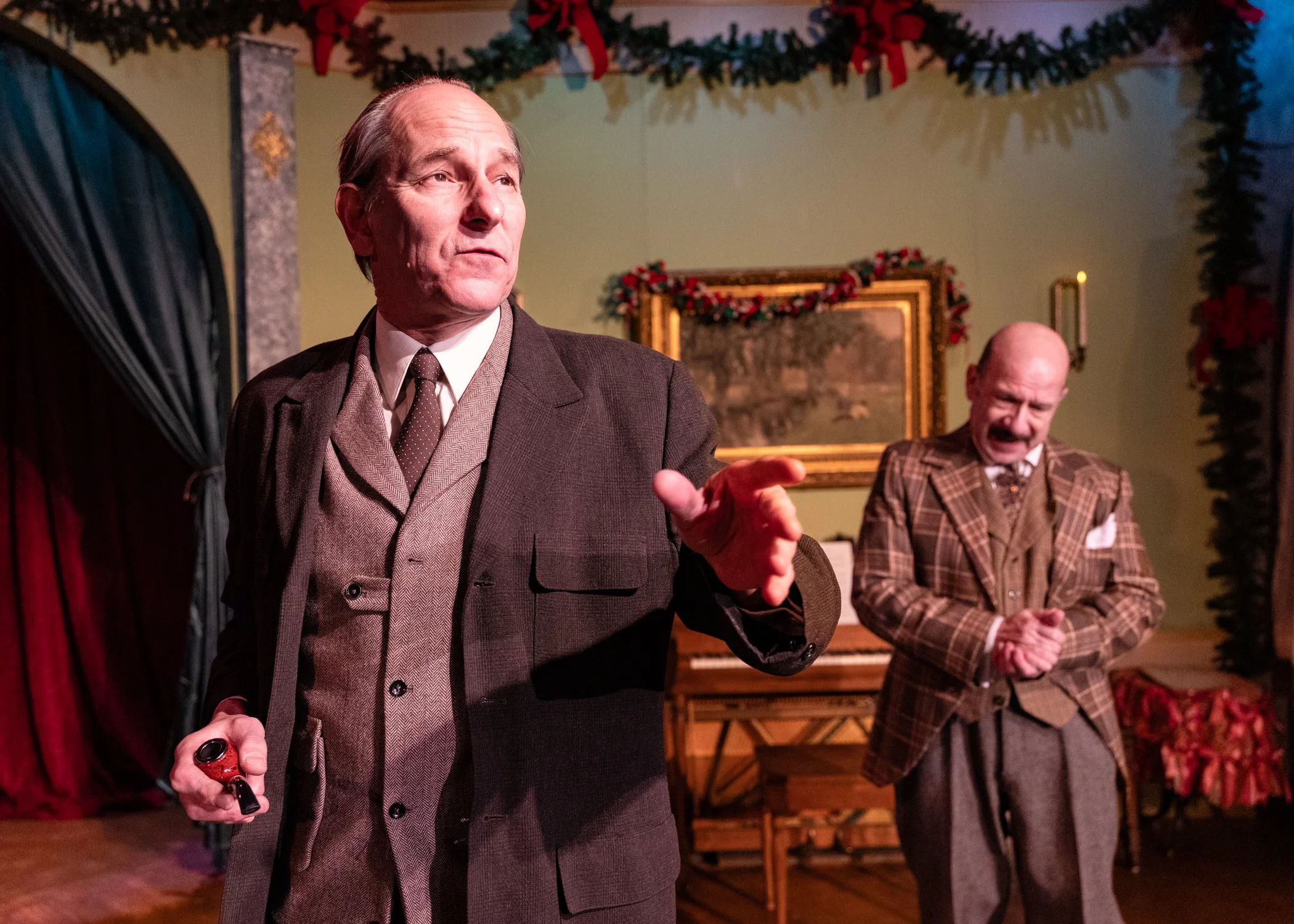
Sherlock Holmes is an impossible person to bring to a Christmas party. He insists on sharing grotesque stories in mixed company. He explodes with loud “hrrmph” and “ha” at odd moments. And he has no idea what to do with sleigh bells—he is supposed to shake them during “Jingle Bells” but keeps trying to fasten them about his wrist like a watch.
Of course, he does solve crimes. So if a famous set of diamonds vanishes during the festivities, he is a handy fellow to have around.
Watching James Sparling as the socially awkward but brilliant detective is one of the chief delights of “Sherlock Holmes and the Christmas Clowns,” now playing at City Lit Theater. But it’s not the only one. Directed by City Lit executive artistic director Brian Pastor, this is a happy combination of witty dialogue, lovely Victorian costumes and four-part harmony Christmas caroling, with the lyrics sometimes changed to reflect the action. There’s even a touch of Gilbert & Sullivan. At less than an hour long, the show is like a beautifully decorated Christmas cookie—sweet, satisfying and just the right size.
The play was written by the prolific John Weagly, adapted from the short story “The Flying Stars” by G.K. Chesterton, but swapping in Sir Arthur Conan Doyle’s Holmes for Father Brown. Weagly was also the co-author and adaptor of the popular holiday play “Sherlock Holmes and the Case of the Christmas Goose.”
This is the fourth time Sparling has appeared at City Lit as Holmes, with Adam Bitterman as his sturdy friend and narrator, Dr. Watson. In this story, Watson and Holmes are in the country for a Boxing Day party. The eccentric and wealthy Lady Gabriella, played with grand-old-dame gusto by Betsy Pennington-Taylor, makes a gift of the “Flying Stars” to her goddaughter, Ruby (the winsome Sophia Vitello). But the jewels vanish while the guests perform a comic pantomime, and Holmes can stop pretending to be sociable and spring into action.
There’s a lot of good silliness here, such as when the chorus sings “Deck the Halls with Commedia dell’arte… Hope we don’t see Moriarty.” Or when Manny Sevilla as a love-smitten neighbor declares, while playing Pierrot, that Columbina (Ruby) is the “ham in my sandwich.”
Also excellent in this production are Mark Mendelsohn as Colonel Adams, the deep-voiced and respectable owner of the estate, and Courtney Abbott as Jemma Blount, his Canadian sister-in-law, who gets a laugh with her first startled “ooh.”
There aren’t many surprises here. It’s easy to spot the thief. There’s a black-helmeted policeman who asks, “What’s all this then?” And Holmes frequently refers to his other mysteries, like “A Scandal in Bohemia” and “The Speckled Band,” reminding us that he has done some serious cases beyond this holiday trifle.
But the anglophilic familiarity is part of the pleasure—you can think, “Ah, yes, I know this,” settle in comfortably and join in singing “We Wish You a Merry Christmas” at the end. Not every theater production has to be a challenge. It’s the holidays, after all. As another late Victorian writer put it, some things are too important to be taken seriously.
“Delightful, fun, but underdeveloped.”
Delightful, fun, but underdeveloped, “Sherlock Holmes and the Christmas Clowns” is a good play with music that could have been truly great. Written by John Weagly, this tale of mystery starts out like gangbusters, with its focus on its two main characters Sherlock Holmes (James Sparling) and Dr. Watson (Adam Bitterman). Sparling and Bitterman are expertly cast and play their parts brilliantly. It is thoroughly enjoyable to watch Holmes’s obsessive nerdiness and exactitude and Watson’s need to break down the fourth wall and narrate the story for the benefit of the audience. Of course, we can rightly assume that the stage is being set for Holmes to be the super sleuth who will solve some major crime.
The whodunnit takes place during a family gathering in the home of Colonel Horatio Adams (Mark Mendelsohn), a former army comrade of Watson’s. In addition to the colonel, we are introduced to his daughter Ruby (Sophia Vitello), her love interest and next-door neighbor John Crook (Manny Sevilla), Horatio’s sister-in-law from Canada Jemma Blount (Courtney Abbott), and Ruby’s godmother Lady Gabriella (Betsy Pennington-Taylor), as well as their housemaid (Alex George) and chauffeur (Bruce Holtman)—plus a messenger (Maggie Cain) and a policeman (David Fink). In addition, the minor characters double as an ensemble of singers and dancers, who add a buoyant touch to the narrative. It goes without saying that when the ensemble reveals Lady G’s stunning sets of three large diamonds to the audience, we can put two and two together and figure out that these would somehow become central to the overall plot. And sure enough (and I’m not ruining it for you), it appears that these diamonds have suddenly gone missing during a Christmas pantomime at the Adams’ house.
The so-called Christmas Clowns are a great component of the story, turning the show into more of a burlesque and a British pantomime within a pantomime. The production simultaneously makes light of this genre while holding it under a magnifying glass and expanding on it. The inclusion of music and dance thus turns an ordinary whodunnit into a burlesque with a plot behind it and serves to amplify the characters’ emotions while lightening the mood. The ensemble of singers and dancers not only promote the joyousness of the Christmas season but expose the economic divide and political atmosphere in 1896 London. They point up the reality of the day: that there are wealthy people who have the finances to own diamonds and to create their own entertainment at Christmastime and there are poor people in dire need of food and housing.
Now, having said that, the show suffers from a number of deficiencies. At 53 minutes long (or a full hour if you count the appended song plus the curtain call), the play is much too short to accomplish all that it has set out to do, that is, to combine a proper mystery with music and entertainment. For starters, the characters need to be developed better. With the exception of Holmes and Watson, each of the characters ought to be more complicated in order to draw more suspicion to them for this play to be successful. We need to understand somewhat more about each character’s background and possible motives for committing a crime so that we can look upon them as potential criminals. Since the show never fully builds up its characters, the result is that audience is not invested enough in caring about them or what happens to them.
This feeds into multiple issues with the plot, which is woefully inadequate, as it lacks enough twists and turns to make the story satisfying. There needs more time to develop a successful story arc which doesn’t end prematurely. If the intent is to explore the possible means, motives, and opportunities for committing one or more crimes, then Holmes has to be somewhat more proactive in talking with each of the possible suspects. Since he is bound to notice some piece of evidence or some unusual situation that helps him to solve the mystery, the narrative needs to be made more gripping by having him either make a mistake at first (to show that he’s human) or by having him provide some sort of misdirection so as to lay a trap for the guilty party… or something of the sort. The play unfortunately contains none of these things and thus feels incomplete. I wanted to say to myself at the very end of the performance, “Damn! With all those hints being dropped—and all those questions being raised—why didn’t I see that coming?” But this never happened. And as a result, we don’t really care who the culprit is… or why they committed the crime. Among other things, we don’t know enough about why Horatio’s wife was no longer in the house or why John was a socialist or even why Ruby was so enamored of him—although the lesbian interest between Ruby and Jenna adds an interesting dimension to the tale at a time period when lesbianism and talk of lesbianism was taboo.
Costume design by kClare McKellaston is great! The period costumes from the late 1890s could not be any better! The men wear their customary waistcoats, with Holmes in his traditional Inverness cape and Watson in his trademark tailored tan woolen vest. Plus, Jena’s green and red harlequin teddy with sparkles looks like the epitome of a sexy Christmas outfit from that era. Scenic design by Jeremiah Barr works well. The living room walls are painted light green with accents in red for the season. We see a decorated Christmas tree by the fireplace and vintage furniture plus garlands and red bows hanging along the ceiling. I especially liked the sliding doors and ledges to simulate outdoor scenes on such a small stage. The lighting by Liz Cooper is nicely done throughout and especially at the beginning when the tree is being lit by the cast via electronic/battery-operated candles. Carrie Hardin has nicely imparted the appropriate accents to all the characters, while music director Mary McCormack has done a fine job with the variety of songs. Directing by Brian Pastor places all of the actors exactly where they need to be, especially when it comes to the sidestep and cross-step movements of the Christmas Clowns as they inch their way across the stage at various points in the story.
Adapted from “The Flying Stars” by G.K. Chesterton and the works of Sir Arthur Conan Doyle, Weagly has created fine outlines for each of the characters and a nice sketch for the plot. But while the parts are acted well and the singing and choreography are great throughout, this world premiere production could have been made more robust and substantial. While the combination of music and mystery makes the tale enjoyable, the script needs to be rewritten and the show lengthened to 90 or 100 minutes to better develop the characters and to properly build up to the climax and denouement. As things stand now, there are not enough plot twists to make this play memorable and exciting, and I am still confused about why there is suddenly a dead body on stage at one moment and then suddenly it is no more! When things are apparently “resolved” much too quickly, we leave the theatre feeling empty despite all the cheery holiday songs. Even though the play contains many excellent elements, the story as a whole needs to baffle and endear the audience. And for this to be a compelling whodunnit, the audience must be given the time and space to wonder what will happen next.
“A well-done hour of charm and silliness”
For the holiday season, City Lit Theater Company is presenting the world premiere of Sherlock Holmes and the Christmas Clowns, John Weagly's adaptation of the G. K. Chesterton short story, "The Flying Stars," which swaps Chesterton's Father Brown for Sir Arthur Conan Doyle's Holmes and Watson. The show, directed by City Lit's Artistic Director Brian Pastor, is a well-done hour of charm and silliness.
The story is set on Boxing Day at the country home of the relatively recently widowed Colonel Adams, with whom Watson served in Afghanistan. Watson has shown questionable judgment in bringing Holmes along, as evidenced by that fact that the latter's detailed stories of his cases repeatedly challenge the delicate sensibilities of the ladies of the house, Adams' daughter Ruby, and his sister-in-law, Jemma, who has traveled from Canada to meet her deceased sister's family.
The assembled company is ultimately joined by John Crook, a young idealistic neighbor who has a burgeoning romance with Ruby, as well as Ruby's godmother, the wealthy and somewhat eccentric Lady Gabriella. A "chorus" of four servants is ever-present in the background, attending to the needs of the upper crust and commenting on the plot and character interactions in sly reworkings of traditional Christmas songs.
The mystery, such as it is, revolves around the famous trio of diamonds that give the Chesterton story its name. The gems are, in fact, so famous that they have been stolen multiple times and recovered by Holmes himself in all but one case. Lady Gabriella, having bought them at auction in Italy, had arrived intending to make a gift of them to Ruby, but they are stolen in the course of the pantomime that Jemma has roped most of the guests into performing in.
The revelation of the theft prompts finger-pointing and tension. But with Holmes on the case, shocking truths come to light, and the household is ultimately restored to holiday peace. There's a great deal of broad comedy and nonsense that strikes just the right lighthearted notes.
Jeremiah Barr's set does a lovely job of setting the holiday tone as well as capturing the class dynamics that give the plot, minimal though it is, just a bit of tension. Using just the quality of the paintings on the walls and the items on the mantel in conjunction with a team of servants, Barr conveys the old money, thoughtless wealth that makes young John Crook, a member of the gentry himself, but one with socialist leanings, uncomfortable.
And as is usual with City Lit, Barr's set makes smart use of the space. Characters enter the sitting room of the Colonel's home through a wide arch flanked by deep green silk curtains that are drawn aside for most of the scenes but turn the room into a makeshift stage to capture the madcap vibe of the pantomime. To move the action out of doors, Barr creates two sets of paned windows and two low chests designed to look like segments of a stone wall that the cast easily shifts from the sides of the stage to the center, as needed.
Liz Cooper's lighting design is relatively simple, yet lovely in its small details, most notably the care taken as one of the servants lights the candles on the Christmas tree. The costume design by kClare McKellaston mirrors the successes of Barr's set. The fabrics, cuts, and color set the action believably in the tail end of the nineteenth century and convey the niceties of class and politics. McKellaston's approach to the pantomime is also an appropriately funny blend of found pieces and one elaborately detailed costume.
Mary McCormack's music direction is well done on the whole. One member of the Chorus uses a pitch pipe and counts the other members in a bit of fourth-wall breaking that earns the gimmick of the servants commenting on the action of the play in their modified carols. This is, overall, a fun idea that helps to keep up the tight pacing and cover scene changes, but in one or two instances it wears out its welcome a bit, particularly given that the show also has Watson occasionally "freeze" the action as he narrates the scene. The doubling up of this narrator function works well much of the time, but not all.
The cast is strong both individually and in their work together, starting with James Sparling (Holmes) and Adam Bitterman (Watson). The two are clearly deeply comfortable playing these roles opposite one another, and it is worth noting that even in such a short show (and one that backgrounds the two characters to a certain extent), each has a clear and interesting take on these well-known characters.
Bitterman gives a performance that is more assertive than that of many Watsons. He's believably inhabiting the role of brother in arms with Adams, and he's less awed by Holmes than is typical in many portrayals. Similarly, Sparling's Holmes is slightly clueless and socially awkward, yet absolutely confident in his own abilities. The awkwardness in particular is an interesting and welcome take given the plethora of approaches that infuse a cruel streak into the character.
Betsy Pennington-Taylor is terrific as Lady Gabriella. She is imperious yet likable, and her dynamic with Sparling's Holmes makes a strong case for bringing Chesterton's characters and Doyle's creation into conversation with one another.
Mark Mendelsohn has a bit of a thankless role as Colonel Adams, at least in the beginning of the show, where his character is a bit underwritten. However, Mendelsohn shines as Pantaloon, which suggests that the subdued, almost stilted Colonel has been dying for just this kind of opportunity to let loose.
As the young lovers, Sophia Vitello (Ruby) and Manny Sevilla (Crook) are somewhat underutilized, but the two have chemistry together and charm individually. Both help them to navigate and elevate some of the dialogue that is a bit obvious in being necessary exposition.
As Jemma Blount, Courtney Abbott is canny and clever. Initially, her character seems to be there to set up comedy that is all but certain to result from the clash of North American and British manners. Abbott sells this, then truly blossoms in both whipping up enthusiasm for the pantomime itself and her all-in performance as Harlequin.
The Chorus (Maggie Cain, David Fink, Alex George, and Bruce Holtman) work together well, finding both individual moments to play up the show's broad comedy and opportunities for all four of them to turn the humor up to eleven.
https://www.talkinbroadway.com/page/regional/chicago/ch851.html
Debra Davey; Splash Magazines
Supersleuth Sherlock Holmes and faithful Dr. Watson travel to a manor house in the British countryside to spend Christmas with an old army buddy of Watson’s. One of the other guests at this house party is a notorious international thief. When a godparent’s priceless present is stolen during a holiday play pantomime, can Sherlock discover the culprit before the curtain falls? Of course he can!
The play substitutes one famous fictional detective for another and is a very close adaptation so far as the important dynamics of the plot are concerned. Virtually all the characters are taken from the original, with 1 or 2 fluid characteristics changed. However, the shift of detectives from Father Brown to Holmes and Watson certainly changes the story. G.K. Chesterton was a Christian apologist (later a Catholic), whose works were riddled with paradox. Sir Arthur Ignatius Conan Doyle was a physician, political campaigner and believer in Freemasonry/spiritualism. The means by which Father Brown announces the results of his moral imperatives are diametrically opposite to the deductive powers of Holmes. Both announce their findings at length, but Holmes does so in pseudo-scientific ways with an adoring acolyte and an audience (usually) of clients while Brown counsels the scoundrels.
Nonetheless, this play, which rather neatly plugs in a starchy duo for a wry cleric, ties up its loose ends cleanly, and at one hour long, why quibble with context? As do all City Lit’s performances, the stagecraft, though closely confined, is enticing. In Chesterton’s story, the scene is set at length as cozy and redolent of quaint. In this premiere, the costumes are clever, the music a catchy respite for the ears from Holmes’ self-congratulatory droning. The vehicle here is a harlequinade-masquerade and in this dear old-fashioned setting we get carols, courtship and comedy to bring cheer to the cold winter in this holiday treat. SPOILER ALERT: You may be pelted with candy canes!
Returning for the fourth time each as the legendary duo of deductive reasoning are James Sparling as Holmes and Adam Bitterman as Watson. The two have played the sleuths in all the City Lit Sherlock Holmes plays since 2014 and are convincing in the roles- facial expressions- with and without the famous pipe- are priceless. Enjoyable, enthusiastic cast principals include Mark Mendelsohn as Colonel Adams, the party host; Courtney Abbott as Jemma Blount, the colonel’s sister-in-law; Betsy Pennington-Taylor as the wealthy Lady Gabriella; Manny Sevilla as the neighbor John Crook, who is romantically interested in Adams’ daughter Ruby; and Sophia Vitello as Ruby. Appearing in the high-spirited, well-voiced chorus are Maggie Cain, David Fink, Alex George and Bruce Holtman. Central to the enjoyment here is the cast making eye-contact with the audience; they stay in character and each is distinctive. Thanks to director Brian Pastor, a seasoned pro.
Kudos to the production team, including Jeremiah Barr (Scenic Design), Liz Cooper (Lighting Design), kClare McKellaston (Costume Design), Mary McCormack (Music Director), Carrie Hardin (Dialect Coach), and Hazel Marie Flowers-Mc Cabe (Stage Manager).
“City Lit Theater’s SHERLOCK HOLMES is a Campy Comedy for the Holidays”
Sherlock Holmes and the Christmas Clowns made its world premiere at City Lit Theater on December 14, 2025. Driven by a commitment to make literary imagination accessible on stage, City Lit holds a 19-year history producing plays featuring the infamous detective, Sherlock Holmes, created by Sir Arthur Conan Doyle. What is brought to the stage is a campy piece that is enjoyable and entertaining even if there are some flaws in the plotline.
Sherlock Holmes (James Sparling) and Dr. Watson (Adam Bitterman) are visiting an army friend of Watson’s, Colonel Adams (Mark Mendelsohn) and his family in Putney, London for Boxing Day. The Colonel’s daughter Ruby (Sophia Vitello) is given an exquisite gift from her wealthy godmother Lady Gabriella (Betsy Pennington-Taylor). The play incorporates a variety of British comic traditions, including panto elements, a jewel heist, and festive Christmas caroling.
Sparling and Bitterman clearly enjoy every moment performing as Holmes and Watson. Having played these roles in previous City Lit Sherlock Holmes productions, the two actors share strong chemistry and successfully present the iconic traits audiences have come to expect from the famous sleuths. Courtney Abbott, as Jemma Blount, the Colonel’s sister-in-law, delivers a performance full of fun quirks and a surprising plot twist. Vitello and Manny Sevilla, as John Crook, effectively portray a classic Victorian-era romantic pairing. Meanwhile, Maggie Cain, David Fink, Alex George, and Bruce Holtman delight the audience with slapstick humor and spirited singing.
Artistic Director Brian Pastor brings high energy and festive joy into this new addition in City Lit’s repertoire. John Weagly infuses classic Victorian atmosphere and panto humor in his new play. While the play’s inspiration is based on a short story by G.K. Chesterton, the original text centers on a different English investigator – Father Brown. Whether it is because Sherlock Holmes is the more recognizable character or because City Lit wishes to continue its tradition of staging Holmes stories, the comedic setting at times feels slightly out of place for Holmes and Watson. One may wonder if the story would function more naturally with Father Brown as the central character.
The set design by Jeremiah Barr provides an inviting English country house atmosphere, fully dressed for the holidays. Costumes by kClare McKellaston fit seamlessly within the Victorian setting. Music direction by Mar McCormack and lighting design by Liz Cooper further enhance the chilly London winter, helping to round out the production’s festive tone.
Sherlock Holmes and the Christmas Clowns succeeds as a lighthearted performance. City Lit Theater embraces camp, tradition, and festive cheer, delivering a holiday production that values fun and familiarity over strict fidelity to its literary roots. For audiences seeking a playful twist on a classic detective during the holiday season, this production offers an entertaining escape.